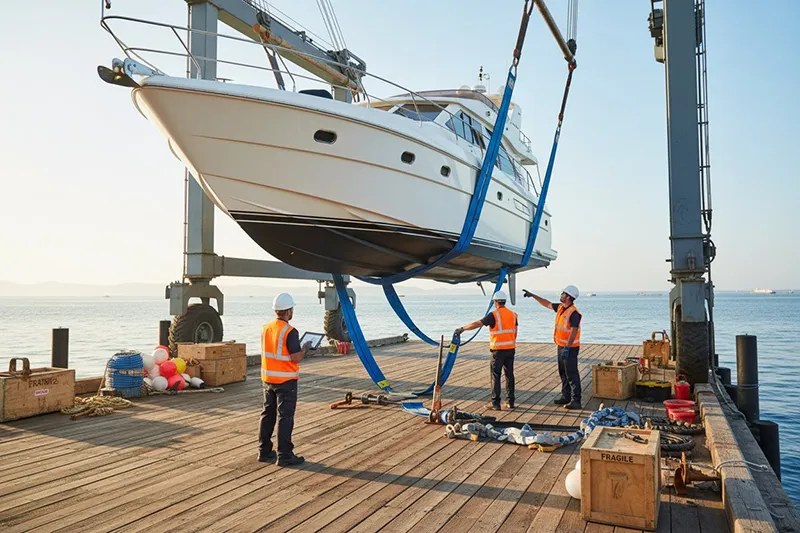
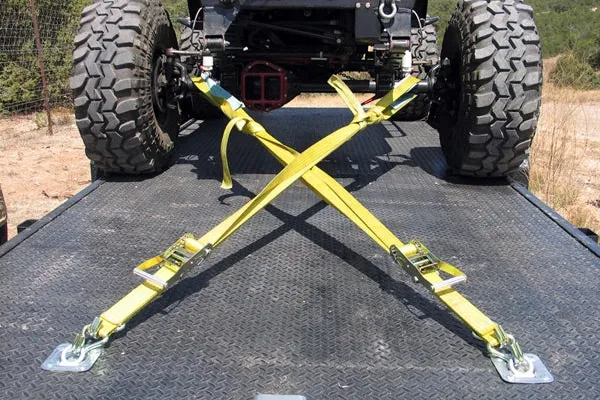
As critical safety tools in overhead lifting operations, lifting slings require strict compliance and standardized handling. To ensure safe operation and prevent accidents, the following safety protocols must be rigorously followed when using widely used polyester lifting slings.
1. Pre-Use Thorough Inspection
Conduct a comprehensive visual inspection of the entire sling prior to every use. Inspect carefully for signs of damage, including cuts, abrasions, broken stitching, or severe wear. If any defects or abnormalities are identified, remove the sling from service immediately.
2. Accurate Load Rating & WLL Selection
Always select a sling with an appropriate Working Load Limit (WLL) that exceeds the weight of the load. Overloading is strictly prohibited. When utilizing multi-leg sling assemblies, accurately calculate the actual load share on each individual leg based on the lifting angle.
3. Edge Protection & Cut Prevention
Always install specialized edge protectors or corner sleeves where the sling contacts sharp corners, rough edges, or high-friction points on the load to prevent cuts and severe material degradation.
4. Proper Storage & Environmental Protection
After use, clean and store slings in a cool, dry, well-ventilated location. Keep them away from direct sunlight (UV degradation), heat sources, open flames, and harsh chemicals or acids.
5. Mandatory Tagging & Identification Standards
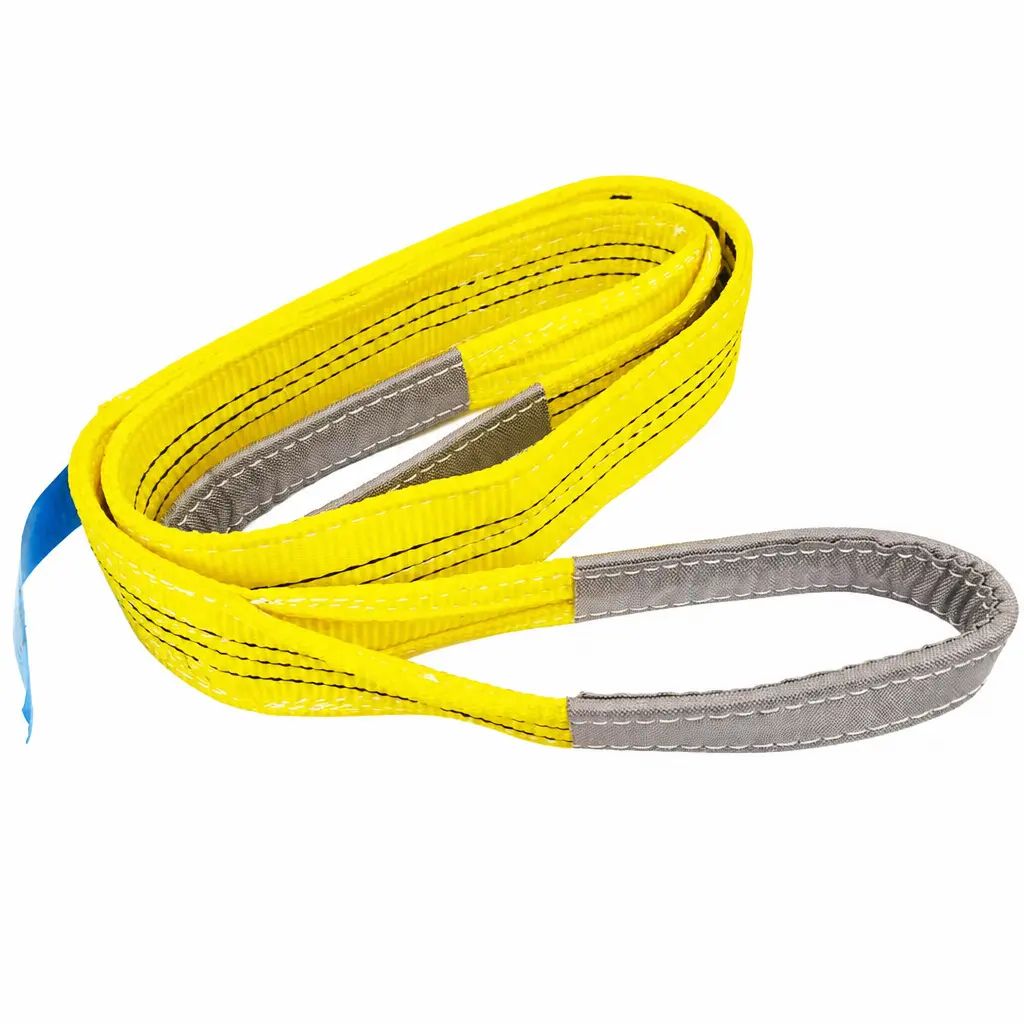
Compliant polyester lifting slings must feature permanent, legible markings and a dedicated blue identification label (standardized for polyester) indicating:
We use cookies to offer you a better browsing experience, analyze site traffic and personalize content. By using this site, you agree to our use of cookies. Privacy Policy