Follow Us:

News

Why Is a 25mm WLL400kg Endless Strap without Hooks a Reliable Choice for Everyday Lifting and Securing?

2026-11-04 0 Leave me a message

A 25mm WLL400kg Endless Strap without Hooks is a practical lifting and securing accessory designed for applications that require a compact, flexible, and reliable webbing solution. Its continuous loop construction eliminates the need for separate metal end fittings and allows users to configure the strap around suitable loads and lifting points. Understanding its working load limit, material properties, correct usage, inspection requirements, and application conditions is essential for safe operation. This guide explains how to evaluate a 25mm endless strap, avoid common handling mistakes, and select the right specification for industrial, commercial, and transportation needs.

25mm WLL400kg Endless Strap without Hooks


1. What Is a 25mm WLL400kg Endless Strap without Hooks?

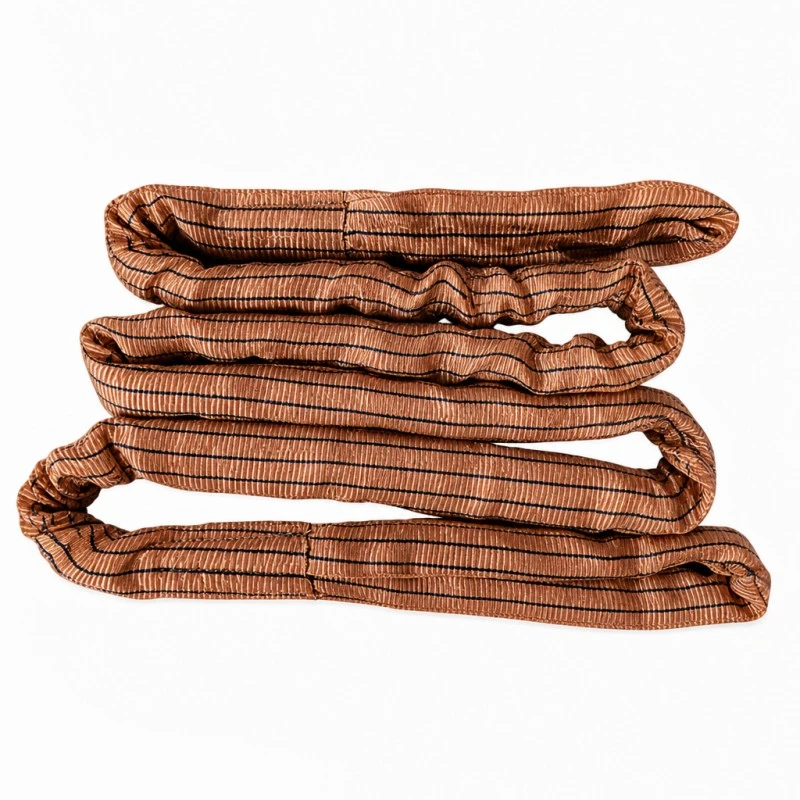
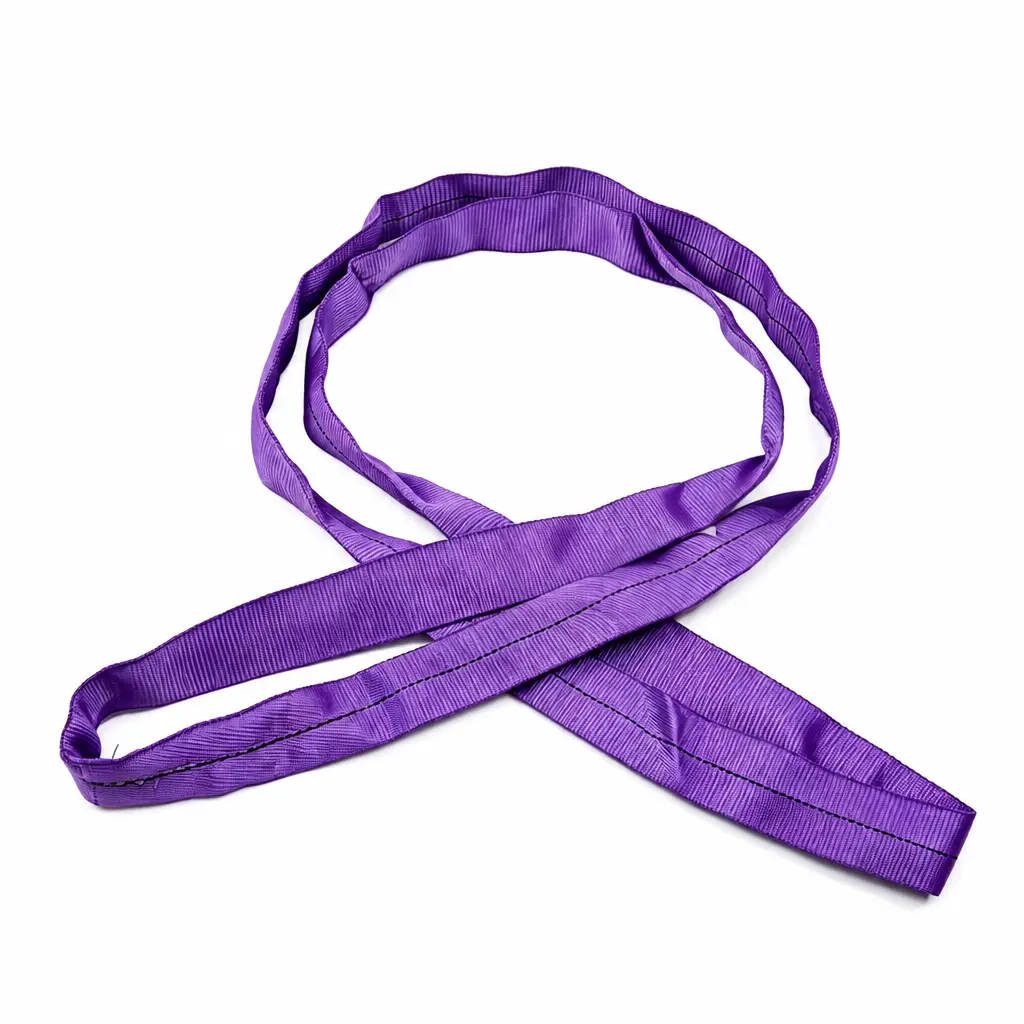
A 25mm WLL400kg Endless Strap without Hooks is a continuous-loop webbing strap designed for lifting, handling, and securing compatible loads. The product features a nominal webbing width of 25mm and a stated Working Load Limit (WLL) of 400kg, subject to the manufacturer's rated configuration and applicable standards.

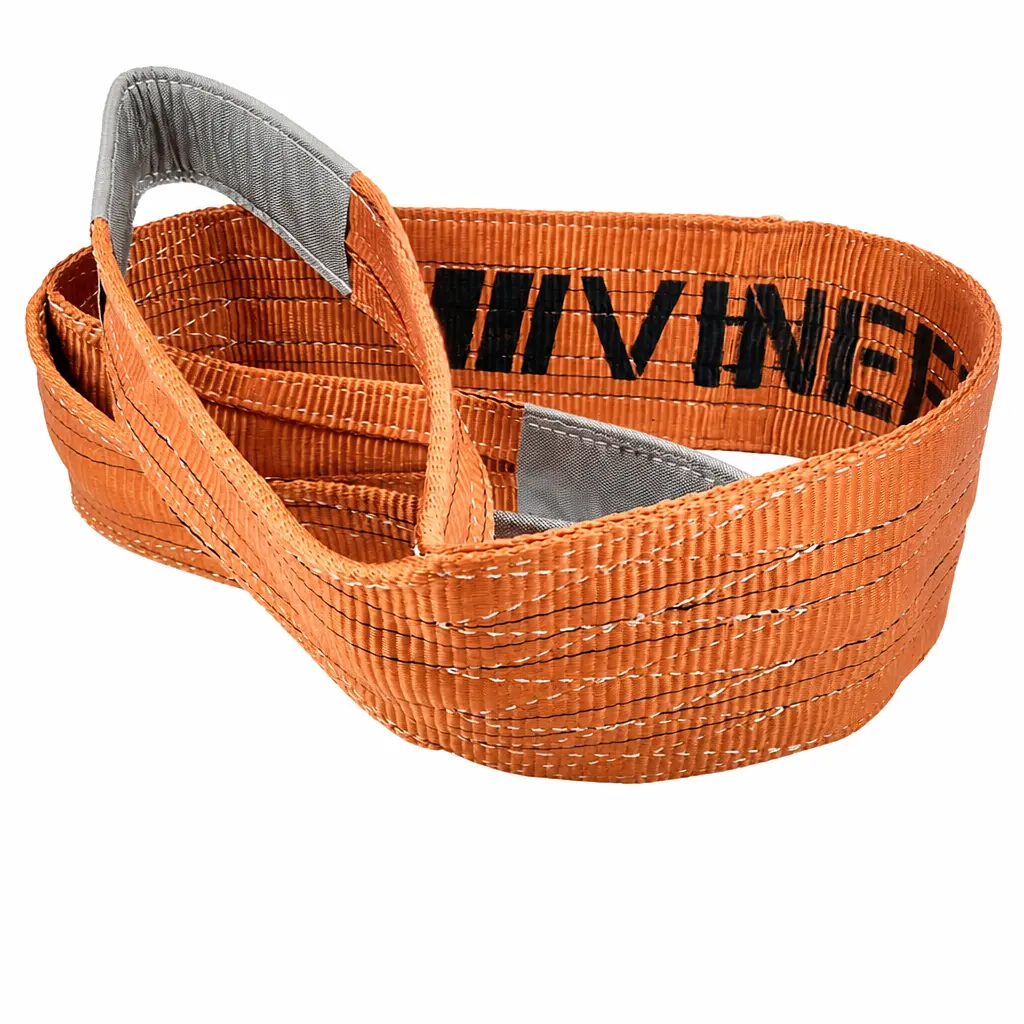
Unlike conventional lifting straps equipped with metal hooks, an endless strap forms a closed loop. This construction allows the webbing to wrap around an appropriate load or connect with compatible lifting equipment without relying on permanently attached hooks.

The absence of hooks makes the strap particularly useful in applications where users need flexibility in connection methods. It can be used with suitable lifting accessories, provided that the complete arrangement is compatible with the rated capacity and the manufacturer's instructions.

What Does the 25mm Specification Mean?

The 25mm measurement refers to the nominal width of the webbing. This relatively compact width makes the strap easier to handle in applications where space, positioning, and flexibility are important considerations.

What Does Endless Construction Mean?

Endless construction means that the webbing is manufactured into a continuous loop rather than having separate open ends. The design provides several practical benefits:

  • No permanently attached metal hooks are required.
  • The loop can accommodate different compatible connection arrangements.
  • Its compact design is convenient for storage and transportation.
  • The continuous construction supports flexible positioning around suitable loads.
  • It reduces the need for separate end-fitting components.
Important: An endless strap is not automatically suitable for every lifting configuration. Its actual capacity depends on its certified rating, the lifting method, sling angle, load distribution, and applicable manufacturer instructions.

2. Understanding the WLL400kg Rating

Working Load Limit is one of the most important specifications when selecting a lifting strap. For a 25mm WLL400kg endless strap, the stated rating indicates a maximum permitted working load of 400kg under the specific conditions defined by the manufacturer.

However, buyers should understand that WLL is not the same as breaking strength. It represents the maximum load that the product is designed and rated to handle during normal use under specified conditions.

WLL vs. Breaking Strength

Term Meaning Practical Importance
WLL Working Load Limit The permitted working capacity under specified conditions.
Breaking Strength The force at which the product fails during testing. Not a permitted operating load.
Safety Factor The relationship between minimum breaking strength and WLL. Provides a design margin for the product according to applicable standards.

Does the Strap Always Lift 400kg?

Not necessarily. A 400kg WLL rating must be interpreted according to the manufacturer's specified lifting configuration. Different sling arrangements can affect the permitted capacity.

For example, straight lifting, basket lifting, and choker configurations may have different rated capacities. Sling angles, uneven load distribution, sharp edges, and the condition of the lifting points can also affect safe operation.

Before using the strap, always check the product identification label and the manufacturer's load chart. Never assume that a different lifting configuration automatically retains the same 400kg capacity.


3. Key Features and Material Advantages

The performance of an endless webbing strap depends on its raw materials, weaving process, stitching quality, loop construction, and inspection procedures. These factors influence its strength, durability, flexibility, and service life.

3.1 Durable Webbing Material

Polyester is commonly used in industrial webbing products because it offers a useful combination of tensile performance, dimensional stability, and resistance to moisture. It is suitable for many general-purpose lifting and load-securing applications when manufactured and rated appropriately.

Its relatively low moisture absorption also helps maintain more consistent handling characteristics in humid working environments. Nevertheless, chemical exposure, high temperatures, abrasion, and prolonged ultraviolet exposure can affect the material.

3.2 Compact 25mm Width

A 25mm webbing width provides a compact profile that can be useful when working with smaller loads or limited connection spaces.

Its narrower construction may make it easier to position than wider webbing in certain applications. However, a narrower strap is not automatically better. The width must be appropriate for the load, contact surface, lifting configuration, and rated capacity.

3.3 Hook-Free Design

Without attached hooks, the endless strap offers greater flexibility in compatible connection arrangements. It can be used around suitable lifting points or with approved lifting accessories.

This design may also reduce concerns associated with damaged or incompatible permanently attached metal fittings. However, users must still inspect the entire webbing loop and ensure that all connecting equipment is correctly rated.

3.4 Convenient Handling and Storage

The continuous-loop structure is relatively simple to handle and store. When properly cleaned, dried, and rolled, the strap can be kept in a designated storage area without taking up excessive space.

Product specification reminder: Buyers should confirm the actual webbing material, loop length, stitching details, certification, temperature range, and WLL documentation with the supplier rather than relying on width and load rating alone.

4. How Does an Endless Strap Work?

An endless strap works by forming a continuous webbing loop around a suitable load or through a compatible lifting arrangement. The loop distributes the applied force through the webbing and its stitched construction.

Unlike a strap with fixed hooks, the user determines how the loop is positioned according to the lifting task and the approved configuration.

Common Lifting Configurations

Straight or Vertical Hitch: The strap connects the lifting point to the load in a straight arrangement. The permitted capacity must follow the manufacturer's rating for this configuration.

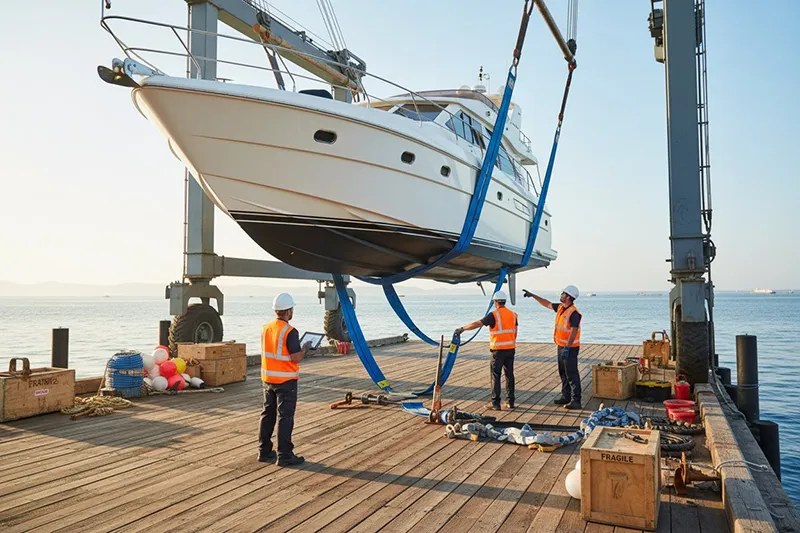
Basket Hitch: The strap passes underneath the load and both loop sections connect to the lifting equipment. Load stability and angle limitations must be considered.

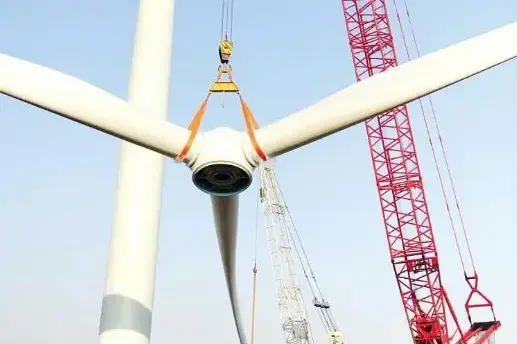
Choker Hitch: The loop wraps around the load and tightens through a suitable connection arrangement. This method can reduce the rated capacity and must only be used within the manufacturer's specified limits.

Basic Operating Procedure

  1. Check the load: Confirm its weight, shape, balance, and lifting points.
  2. Inspect the strap: Check for cuts, damaged stitching, abrasion, chemical contamination, and missing identification.
  3. Select the configuration: Choose an approved lifting method suitable for the load.
  4. Check compatibility: Ensure that lifting equipment and contact surfaces are suitable and correctly rated.
  5. Position the strap: Avoid twisting, knots, and concentrated pressure.
  6. Conduct a controlled lift: Keep personnel clear of suspended loads and check that the load remains stable.
  7. Lower carefully: Avoid sudden impacts, dragging, or trapping the webbing beneath the load.

Only trained and authorized personnel should operate lifting equipment. Always follow the applicable lifting procedures and manufacturer's instructions.


5. Common Applications Across Different Industries

A 25mm WLL400kg endless strap without hooks can serve a variety of applications where its rated capacity, material properties, and construction meet the operational requirements.

5.1 Warehousing and Material Handling

Warehouses regularly handle packaged goods, equipment, and materials of different shapes and sizes. Compact endless straps can be useful for compatible handling operations and connections with approved lifting accessories.

5.2 Manufacturing and Industrial Workshops

In manufacturing environments, lifting accessories are used to move components, machinery parts, and production materials. A properly rated endless strap can provide a flexible connection method for suitable workshop operations.

5.3 Transportation and Logistics

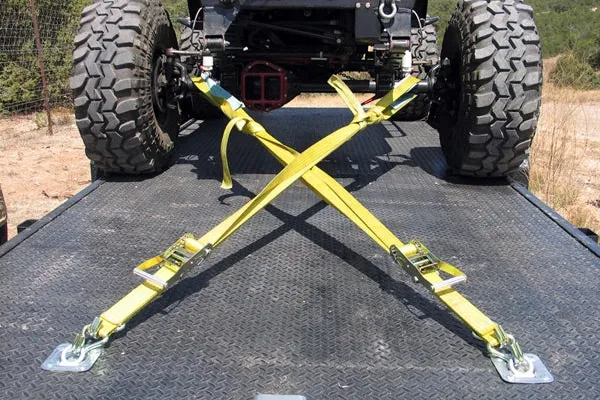
Transportation businesses need reliable equipment for handling and securing cargo. Endless straps may be used in compatible load-securing arrangements, but lifting WLL and lashing capacity are different ratings. A lifting strap must not be assumed to be suitable for vehicle cargo restraint unless it is specifically designed and labeled for that purpose.

5.4 Construction and Equipment Installation

Construction projects frequently require the movement of tools, components, and equipment. Compact webbing accessories can be useful where the lifting configuration and load are within the product's approved specifications.

5.5 General Commercial Applications

Maintenance contractors, equipment rental companies, and industrial supply businesses may also require endless webbing straps for specialized handling tasks.

Industry Potential Application Key Consideration
Warehousing Compatible material handling Load stability and capacity
Manufacturing Moving industrial components Webbing condition and connection points
Logistics Compatible cargo handling Distinguishing lifting and lashing ratings
Construction Moving suitable equipment Environmental conditions and load balance
Maintenance Equipment handling Inspection and equipment compatibility

6. Endless Straps vs. Hooked Webbing Straps

When purchasing lifting accessories, buyers often compare endless straps with traditional webbing straps that feature metal hooks or other fixed end fittings.

Both designs have practical applications, but their connection methods and operational requirements are different.

Comparison Endless Strap without Hooks Strap with Hooks
Construction Continuous webbing loop Webbing with attached end fittings
Connection Method Flexible loop-based connection Direct connection through hooks
Metal Components No permanently attached hooks Includes metal hooks or fittings
Handling Requires suitable loop positioning May offer faster connection to compatible points
Typical Advantage Flexible connection arrangements Convenient fixed-end connections
Inspection Focus Webbing, stitching, and loop integrity Webbing, stitching, and metal fittings

For users who need a compact webbing loop without permanent metal end fittings, an endless strap can be a practical option. However, if an operation requires quick connection to specific lifting points, a hook-equipped product may be more suitable.

The correct choice depends on the lifting environment, equipment compatibility, operator requirements, and the manufacturer's rated configurations.


7. How to Choose the Right Endless Strap

Choosing a suitable endless strap involves more than checking its width and WLL. Industrial buyers should evaluate several technical and commercial factors before placing an order.

7.1 Confirm the Required Working Load Limit

Determine the maximum load weight and the intended lifting configuration. The selected product must have a suitable rated capacity for the complete lifting arrangement.

Never select a strap based only on its breaking strength or assume that a higher theoretical strength makes an unsuitable configuration safe.

7.2 Check Webbing Width and Loop Length

The 25mm width is a useful specification, but loop length is equally important. Buyers should confirm whether the quoted length refers to the overall circumference or another measurement method.

7.3 Evaluate Material Quality

Ask the supplier about the webbing material, manufacturing process, stitching quality, and resistance to the environmental conditions in which the product will be used.

7.4 Review Product Standards and Documentation

For industrial lifting applications, buyers should request relevant product documentation, inspection records, and conformity information. Depending on the intended market, applicable requirements may include EN 1492-1 for textile flat woven webbing slings or other relevant regulations and standards.

Confirm that the specific endless product and its construction fall within the scope of the claimed standard. Do not assume that every webbing loop automatically complies with a particular certification.

7.5 Consider Customization and Supply Capacity

For distributors, wholesalers, and equipment manufacturers, a supplier's ability to provide consistent specifications and customized products can be important.

Consider the following purchasing factors:

  • Available webbing widths and loop lengths.
  • Custom colors and product identification labels.
  • Stitching and construction requirements.
  • Packaging and private-label options.
  • Minimum order quantities.
  • Production lead times and delivery arrangements.
  • Quality inspection and technical support.
Purchasing tip: Before confirming a bulk order, request a detailed specification sheet and sample where appropriate. This helps ensure that the delivered product matches your lifting requirements.

8. Safe Usage and Handling Guidelines

Even a well-manufactured lifting strap can become unsafe if it is used incorrectly. Proper operation is essential for protecting workers, equipment, and materials.

Common Mistakes to Avoid

  • Exceeding the WLL: Never lift a load beyond the permitted capacity.
  • Ignoring sling angles: Incorrect angles can significantly increase the tension in individual sling legs.
  • Using damaged webbing: Cuts, severe abrasion, and damaged stitching can compromise structural integrity.
  • Allowing sharp edges to contact the strap: Use suitable protective sleeves or edge protection when required.
  • Twisting or knotting the strap: These conditions can create uneven loading and reduce reliability.
  • Applying sudden force: Shock loading can create forces beyond the intended operating conditions.
  • Using incompatible accessories: Connecting hardware must be suitable for the strap and lifting arrangement.

Environmental Conditions Matter

Temperature, moisture, chemicals, sunlight, and abrasion can all influence webbing performance. Users should verify the manufacturer's permitted operating temperature and chemical compatibility before use.

Where exposure to acids, alkalis, solvents, or other aggressive substances is possible, obtain material-specific guidance from the manufacturer.


9. Inspection, Maintenance, and Storage

Regular inspection helps identify damage before a strap is used in a lifting operation. A documented inspection procedure is particularly important in industrial environments where lifting accessories are used frequently.

What Should Be Inspected?

  • Visible cuts, tears, and punctures.
  • Severe abrasion or damaged webbing fibers.
  • Broken, loose, or damaged stitching.
  • Signs of melting, heat damage, or chemical deterioration.
  • Deformation or damage to the loop construction.
  • Missing, illegible, or damaged identification labels.
  • Any unusual change in appearance or flexibility.

Recommended Maintenance Practices

Follow the manufacturer's cleaning instructions. If the product becomes contaminated, use only approved cleaning methods and allow it to dry properly before storage.

Keep the strap away from sharp tools, excessive heat, direct chemical exposure, and unnecessary mechanical stress.

Proper Storage

Store the webbing in a clean, dry, and well-ventilated location. Avoid placing heavy objects on top of the strap or leaving it exposed to prolonged sunlight and harsh environmental conditions.

Any strap with suspected structural damage should be removed from service immediately and assessed by a competent person. Do not attempt to repair a damaged lifting strap unless the manufacturer and applicable requirements explicitly permit an approved repair process.


10. Why Choose a Professional Strap Manufacturer?

For industrial buyers, selecting a reliable manufacturer is just as important as selecting the right product specification. A professional supplier should provide clear technical information, consistent manufacturing quality, and responsive communication.

Jiangxi Vineet Technology Co., Ltd. is a company name buyers can consider when evaluating suppliers of webbing and related industrial strap products. When sourcing a 25mm WLL400kg endless strap without hooks, buyers should focus on the manufacturer's ability to meet the required specifications and provide appropriate supporting documentation.

What Should Buyers Expect from a Reliable Supplier?

  • Clear specifications: Detailed information about webbing width, loop length, WLL, material, and construction.
  • Quality consistency: Controlled production processes and product inspection.
  • Technical communication: Clear explanations of rated capacity and permitted lifting configurations.
  • Customization support: Options for product dimensions, labels, colors, and packaging where available.
  • Reliable order management: Transparent quotations, production schedules, and delivery arrangements.

Before purchasing, buyers should confirm the company's current product range, manufacturing capabilities, relevant certifications, and quality-control procedures directly with its sales team.

For importers, distributors, and industrial equipment suppliers, establishing a long-term relationship with a capable manufacturer can help improve procurement efficiency and maintain more consistent product specifications.


11. Frequently Asked Questions

Q1: What does 25mm WLL400kg mean?

It means the endless strap has a nominal webbing width of 25mm and a stated Working Load Limit of 400kg under the manufacturer's specified conditions and rated lifting configuration.

Q2: What is an endless strap without hooks?

It is a continuous-loop webbing strap without permanently attached metal hooks. Its loop construction allows it to be used with compatible lifting equipment and suitable load arrangements.

Q3: Can a 25mm WLL400kg endless strap lift 400kg in every configuration?

No. The permitted capacity can vary depending on the lifting configuration, sling angle, load distribution, and manufacturer's instructions. Always consult the applicable load chart before use.

Q4: What material is commonly used for endless webbing straps?

Polyester is commonly used because of its strength, dimensional stability, and relatively low moisture absorption. However, the actual material should always be confirmed with the manufacturer.

Q5: Can endless straps be used for cargo lashing?

Only when the product is specifically designed and rated for load restraint. A lifting WLL rating is not interchangeable with a lashing capacity rating. Buyers should select a product that meets the relevant cargo-securing requirements.

Q6: How do I know when an endless strap should be replaced?

Replace or remove it from service if it shows cuts, serious abrasion, damaged stitching, heat damage, chemical deterioration, or other conditions that compromise its integrity. Follow the manufacturer's rejection criteria and applicable inspection procedures.

Q7: Can I order customized 25mm endless straps?

Customization may be available depending on the manufacturer's capabilities. Common requirements include loop length, color, labeling, packaging, and order quantity. Confirm the available options directly with the supplier.

Q8: What documents should I request before purchasing?

Ask for a product specification sheet, rated capacity information, relevant test reports, identification details, and applicable conformity documentation. Ensure that the documents relate to the exact product being supplied.

Q9: How should an endless strap be stored?

Store it in a clean, dry, ventilated area away from direct sunlight, excessive heat, chemicals, and sharp objects. Follow the manufacturer's storage and maintenance recommendations.

Q10: What information should I provide when requesting a quotation?

Provide the required WLL, webbing width, loop length, material preference, intended application, quantity, packaging requirements, and destination market. This allows the supplier to evaluate the correct product specification and provide a more accurate quotation.


12. Conclusion

A 25mm WLL400kg Endless Strap without Hooks offers a compact and flexible webbing solution for compatible lifting and material-handling applications. Its continuous-loop construction eliminates permanently attached hooks and provides flexibility in how the strap connects to suitable lifting equipment.

However, choosing the right product requires more than considering its nominal width and load rating. Buyers should also evaluate material quality, loop dimensions, stitching, applicable standards, environmental conditions, and the manufacturer's technical documentation.

For safe and reliable operation, always follow the stated WLL, use approved lifting configurations, inspect the strap regularly, and remove damaged products from service.

Looking for a Reliable Endless Strap Supplier?

Choosing the right webbing strap is essential for safe lifting operations and efficient material handling. Jiangxi Vineet Technology Co., Ltd. welcomes inquiries from distributors, wholesalers, and industrial buyers interested in webbing strap products and customized supply solutions.

Whether you need a 25mm WLL400kg endless strap without hooks or have specific requirements for dimensions, materials, and packaging, contact our team to discuss your purchasing needs and request detailed product information.

Related News
Leave me a message
X
We use cookies to offer you a better browsing experience, analyze site traffic and personalize content. By using this site, you agree to our use of cookies. Privacy Policy
RejectAccept