Follow Us:

Products
2 Inch Ratchet Strap with Chain Extension WLL 3300 lbs
  • 2 Inch Ratchet Strap with Chain Extension WLL 3300 lbs2 Inch Ratchet Strap with Chain Extension WLL 3300 lbs
  • 2 Inch Ratchet Strap with Chain Extension WLL 3300 lbs2 Inch Ratchet Strap with Chain Extension WLL 3300 lbs
  • 2 Inch Ratchet Strap with Chain Extension WLL 3300 lbs2 Inch Ratchet Strap with Chain Extension WLL 3300 lbs

2 Inch Ratchet Strap with Chain Extension WLL 3300 lbs

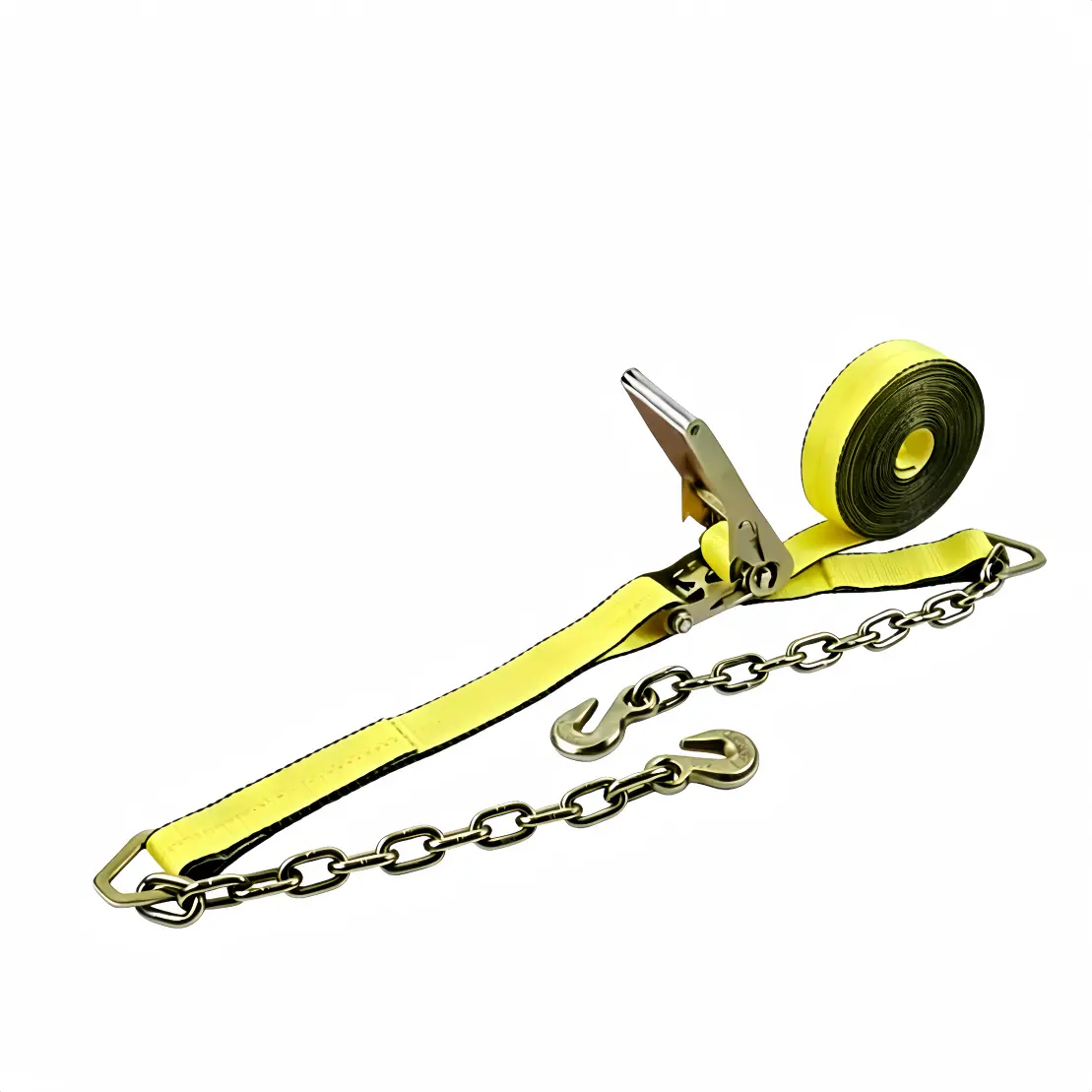
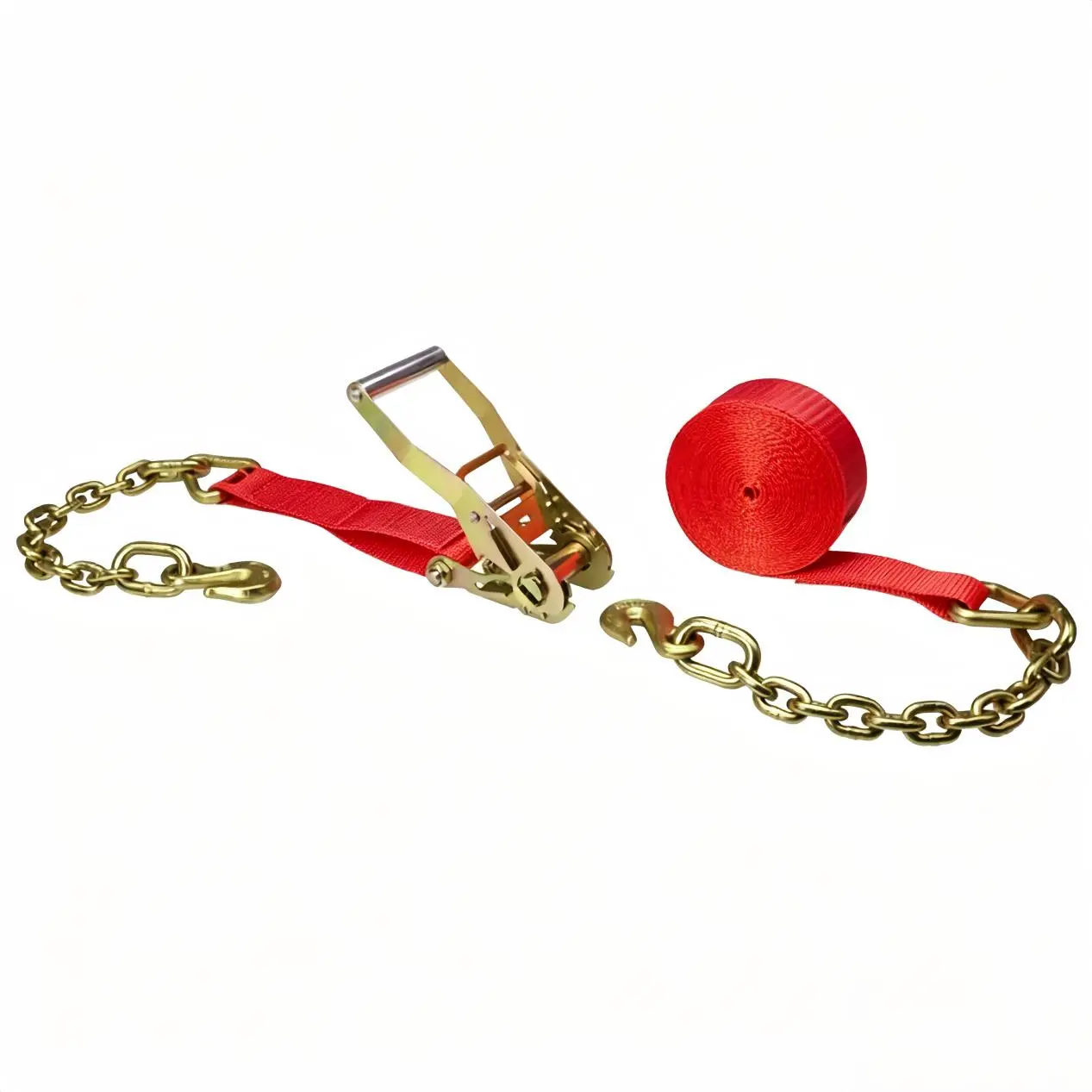
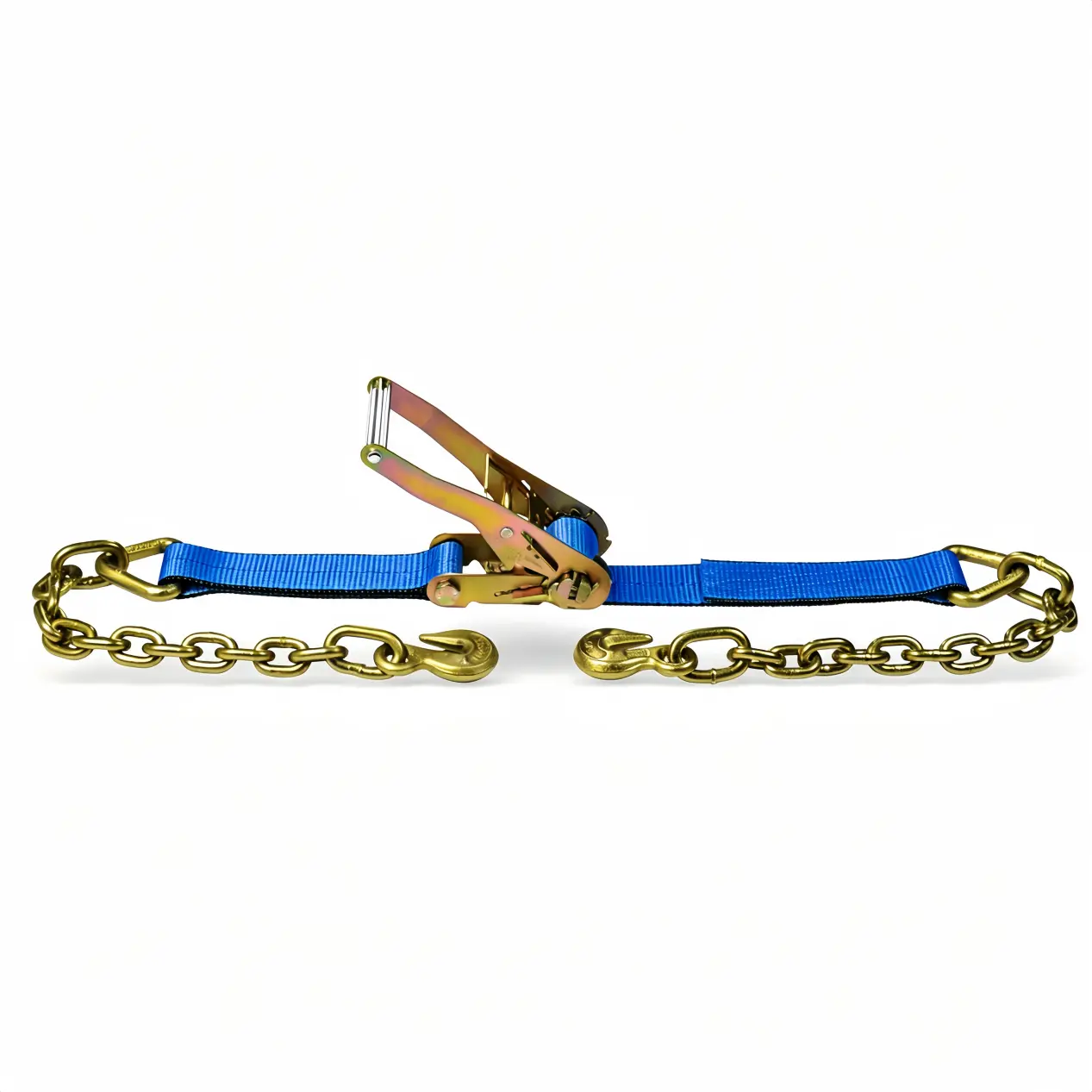
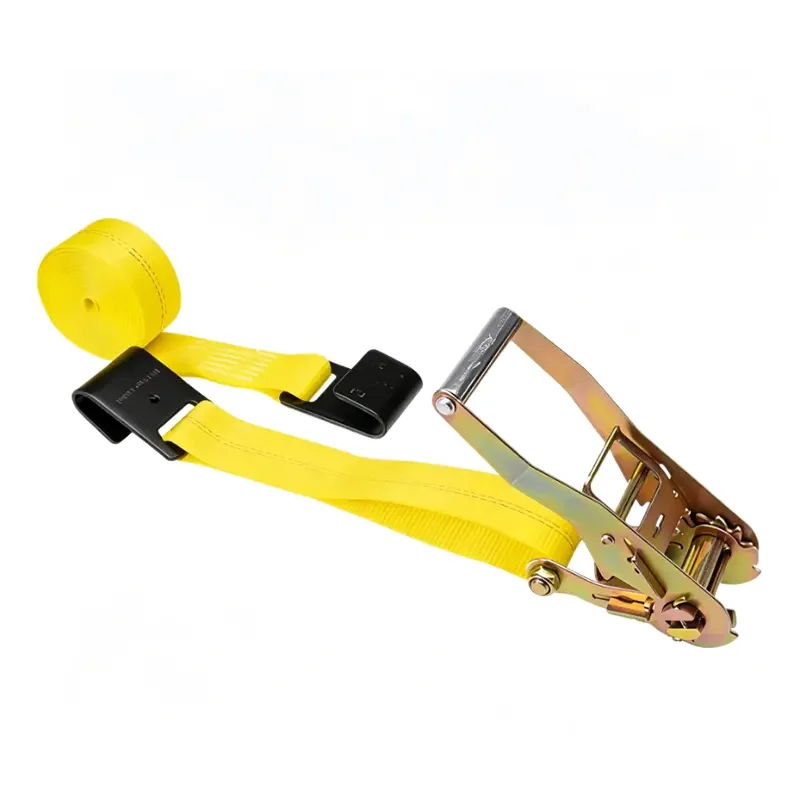
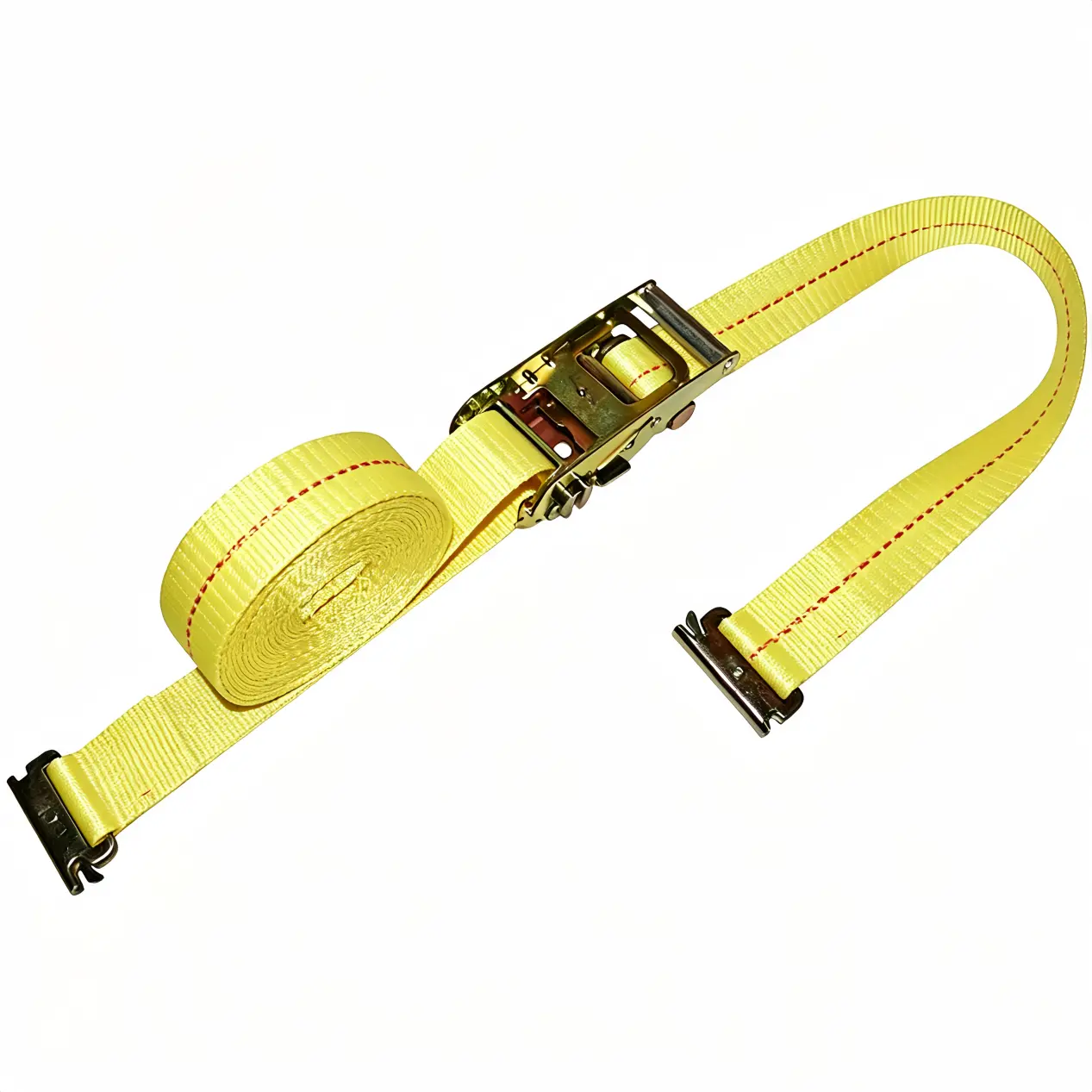
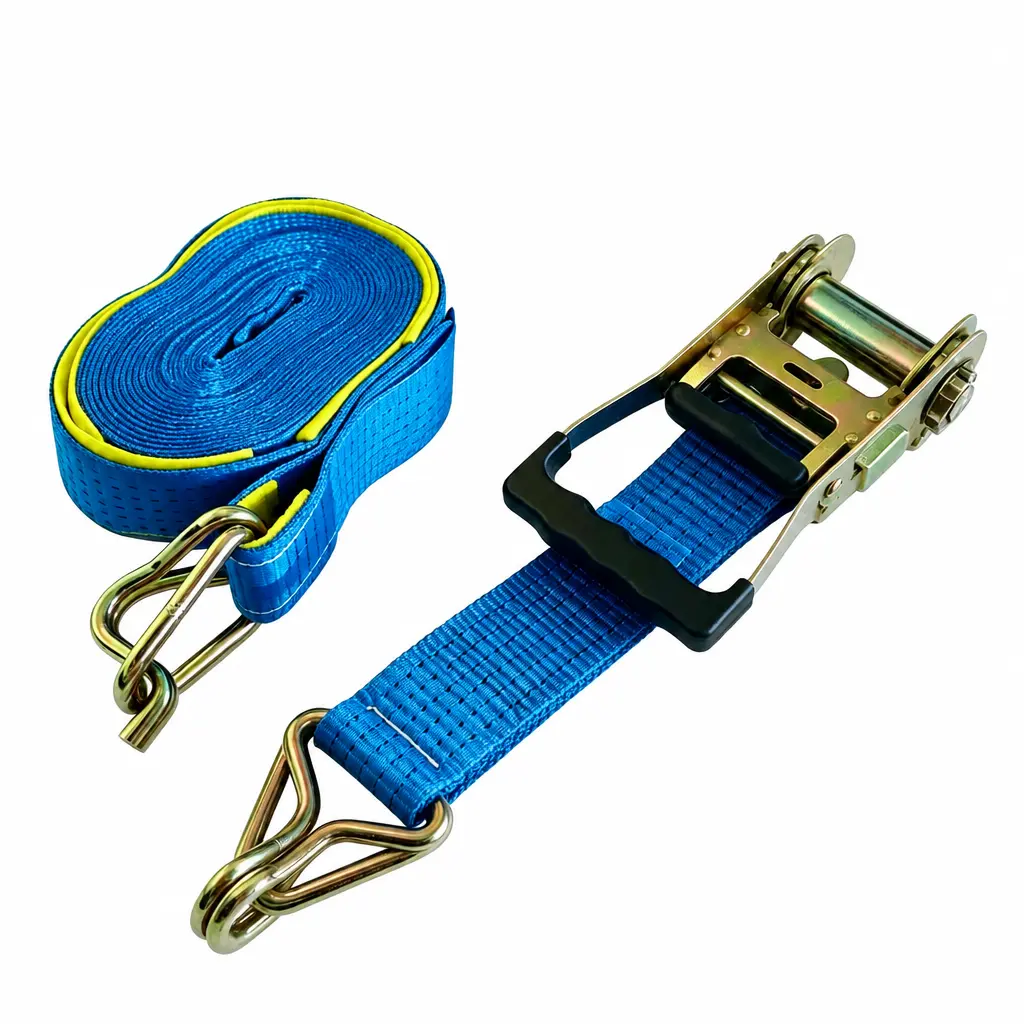
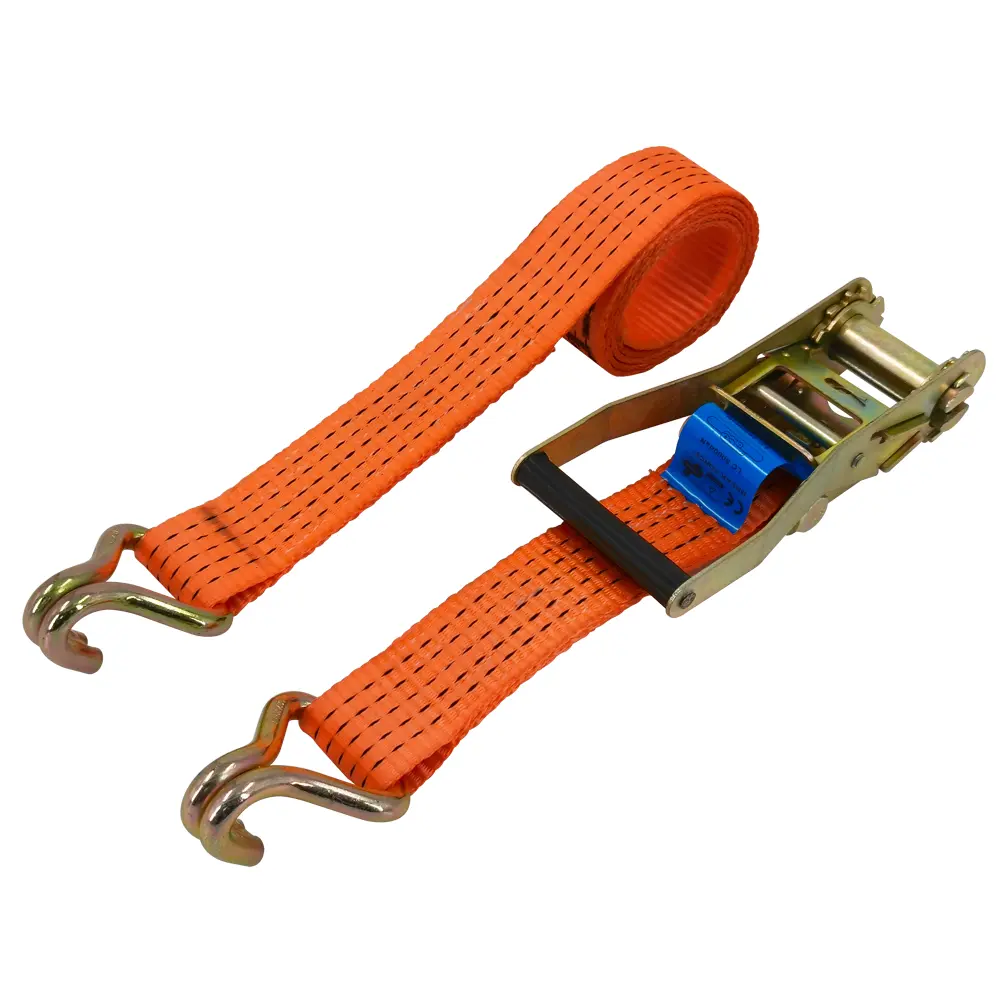
Designed for demanding cargo securement, the 2 Inch Ratchet Strap with Chain Extension WLL 3300 lbs combines durable polyester webbing with a high-strength chain extension to accommodate compatible anchor points on flatbed trailers and equipment transport vehicles. The chain section provides a practical metal-to-metal connection where direct webbing attachment may be unsuitable, while the ratchet mechanism allows controlled tension adjustment.
Rating: 5.0
(Rating Count: 1)

When standard webbing hooks are difficult to connect to rough or heavy-duty trailer anchor points, a chain-ended tie-down can offer a more suitable connection method. The VINEET 2 Inch Ratchet Strap with Chain Extension WLL 3300 lbs combines 50mm high-strength polyester webbing, chain extensions, grab hooks, and a ratchet tensioning mechanism for cargo restraint in commercial transportation. 

With a specified working load limit (WLL) of 3300 lbs and a minimum breaking strength of 10000 lbs, it is designed for compatible flatbed trailers, construction equipment transport, and industrial freight applications. Customized webbing and chain lengths are available for B2B buyers, subject to specification confirmation.

Technical Specifications

Product Name 2 Inch Ratchet Strap with Chain Extension WLL 3300 lbs
Brand VINEET
Webbing Width 2 Inches (50mm)
Working Load Limit (WLL) 3300 lbs (approximately 1497 kg)
Minimum Breaking Strength 10000 lbs minimum, as specified
Webbing Material High-strength polyester
Chain Grade Grade 70, subject to product specification confirmation
End Fittings Chain extensions with grab hooks
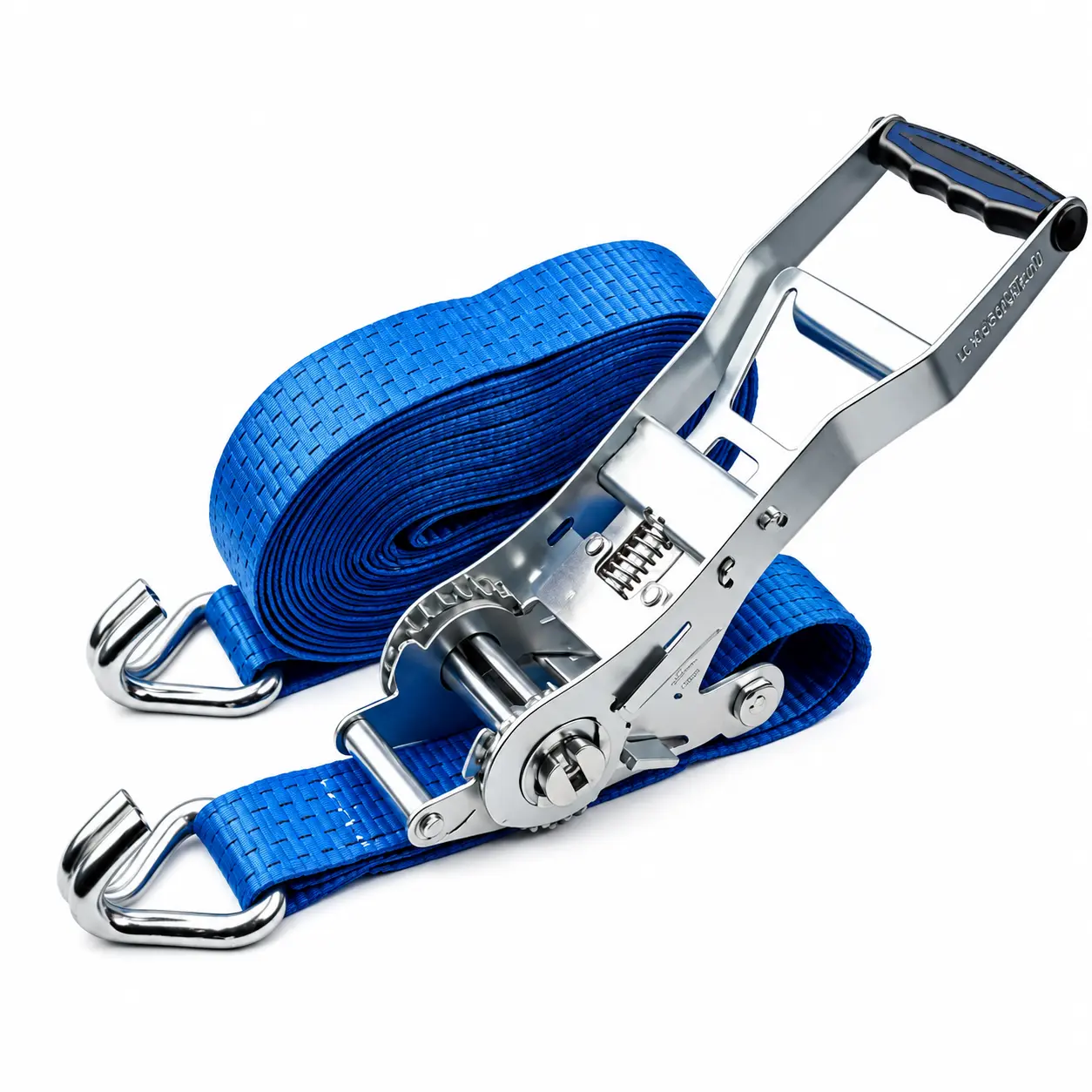
Ratchet Heavy-duty ratchet mechanism with non-slip handle
Webbing Length Customizable
Chain Length Customizable, subject to configuration
Color Customizable
OEM/ODM Available upon order specification confirmation
Main Applications Flatbed cargo restraint, machinery transport, industrial freight

Why Use Chain Extensions?

Separating Webbing from Rough Anchor Points

On older flatbed trailers, stake pockets, D-rings, and other tie-down points may have rough surfaces or sharp edges. Direct contact between polyester webbing and these surfaces can increase the risk of abrasion, cuts, or premature wear.

The chain extension provides a metal connection section between the webbing assembly and a compatible anchor point. This can reduce direct webbing contact with abrasive metal surfaces when the chain is correctly positioned. The entire assembly must still be checked for adequate capacity, and the webbing should not be routed across sharp edges without suitable protection.

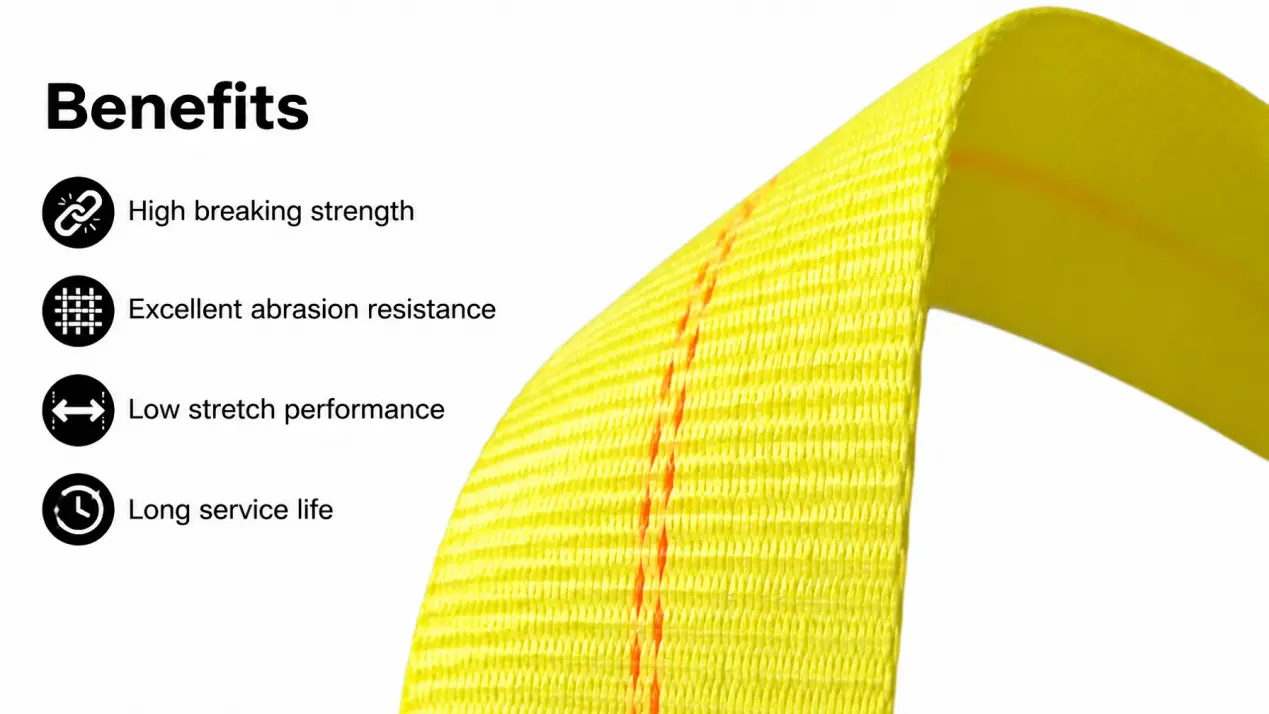
50mm polyester ratchet strap webbing for heavy-duty cargo restraint

Metal Connections for Compatible Tie-Down Points

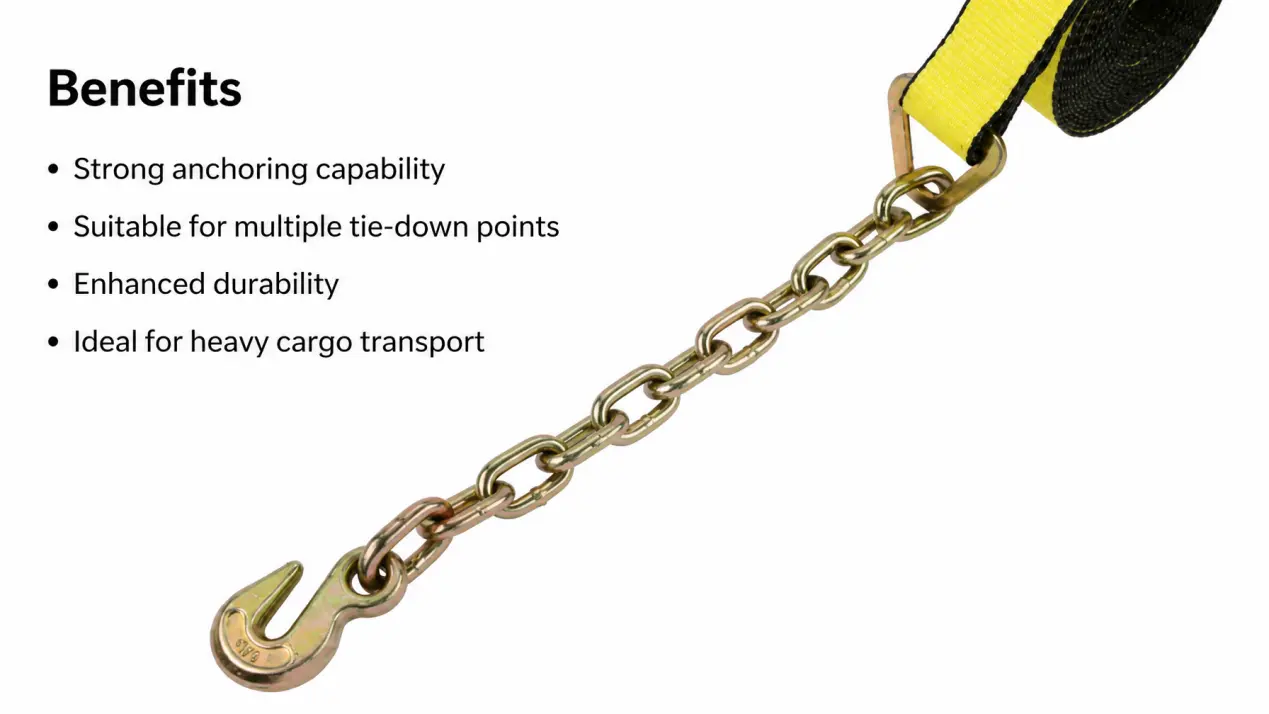
The chain extension and grab hook provide a connection option for compatible trailer anchor points. This arrangement can be useful where the geometry of a metal anchor point makes a conventional webbing hook unsuitable. Before use, operators should verify that the hook engages securely and that the anchor point can withstand the required restraint forces.

Chain grade alone does not determine the working load limit of the complete tie-down assembly. The ratings of the chain, hooks, ratchet, webbing, stitching, and anchor points must all be considered.

Chain extension and metal hook connection for a ratchet tie-down strap

Ratchet Adjustment for Controlled Tension

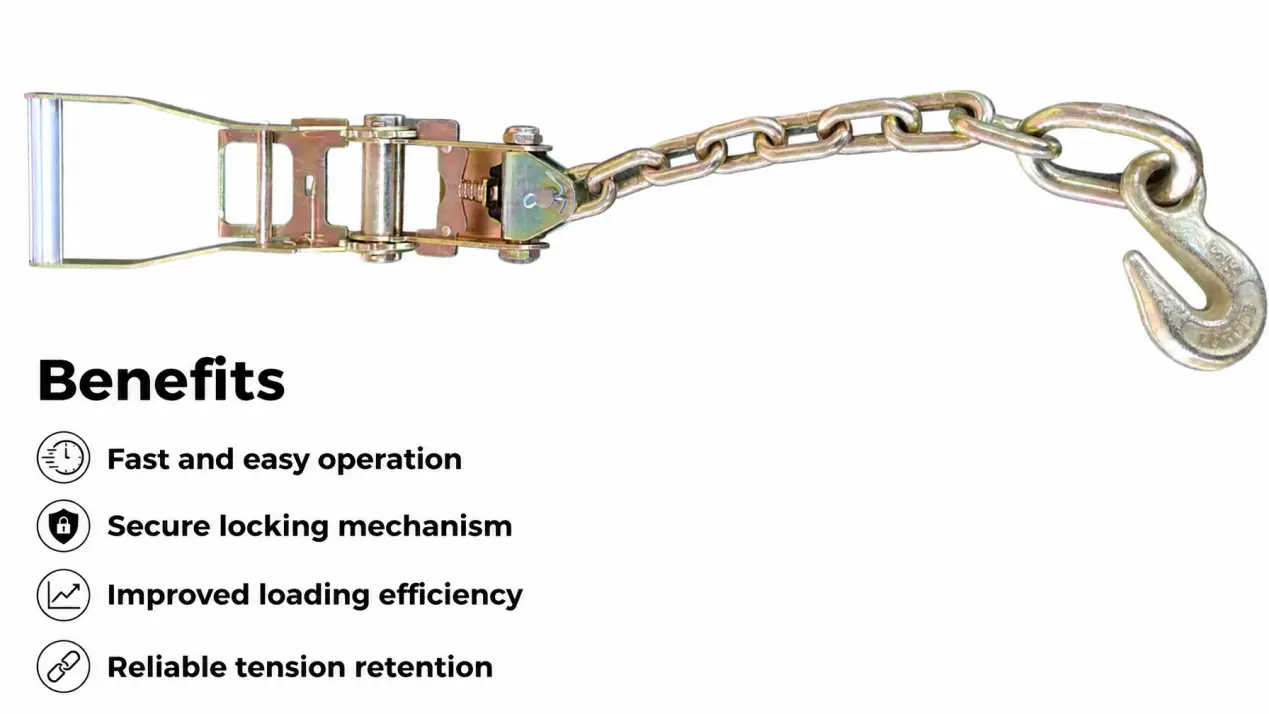
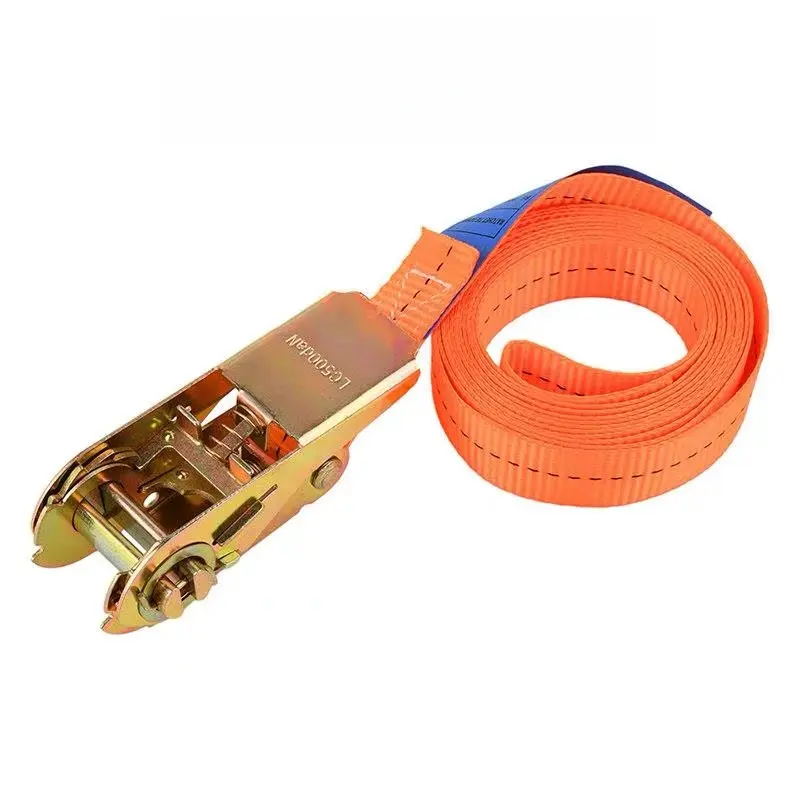
The ratchet mechanism allows operators to take up excess webbing and apply tension to the load restraint. Controlled tightening helps reduce slack and limit cargo movement during transport. The non-slip handle supports routine operation, while the locking mechanism helps maintain the adjusted tension when used correctly.

Avoid excessive tightening that could damage the cargo, distort packaging, or overload individual components. The ratchet should be released carefully because the load may have shifted during transit.

Heavy-duty ratchet buckle for controlled cargo tie-down tension

Transport Applications

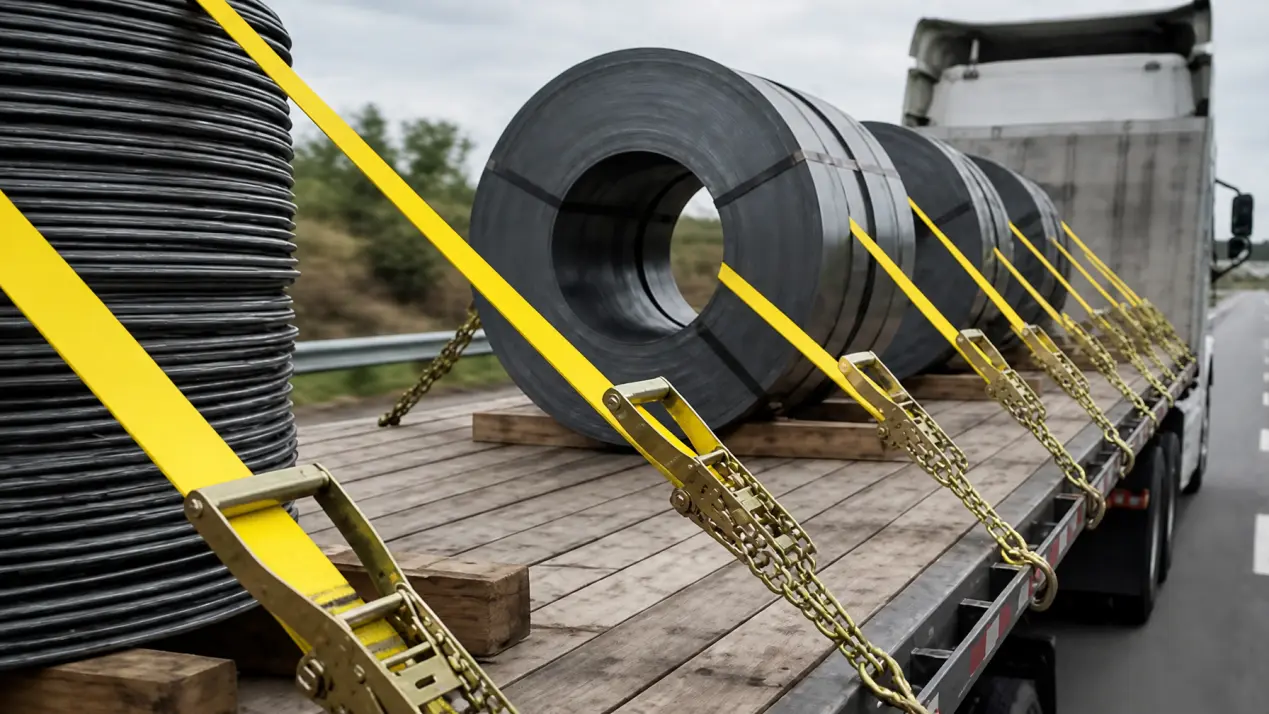
Steel and Industrial Materials on Flatbed Trailers

Flatbed operators transporting steel products and other industrial materials may need restraint equipment that connects with existing metal anchor points. Chain-ended straps can be considered when the attachment geometry and rated capacities are suitable for the load. Appropriate edge protection and a load-specific restraint plan remain essential.

Flatbed truck application for securing industrial cargo during transport

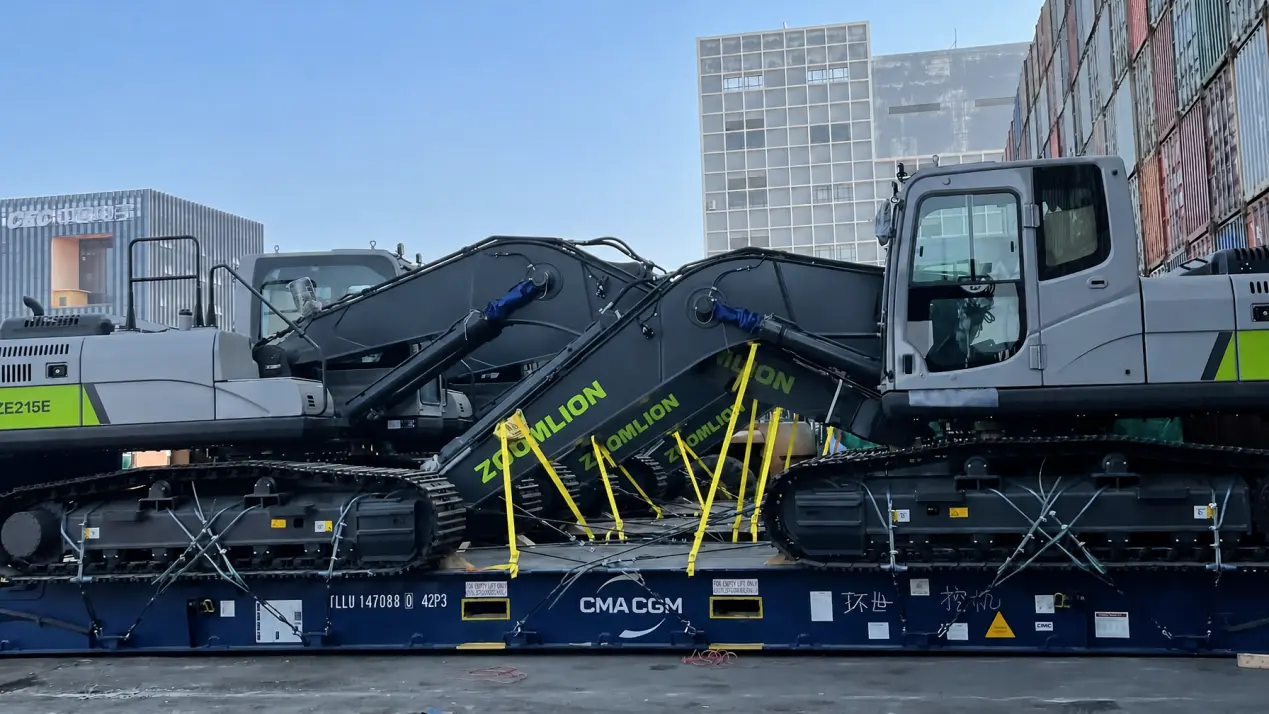
Construction Machinery on Lowboy Trailers

Construction equipment transport requires careful consideration of equipment weight, center of gravity, movement during braking, and available anchor points. A chain-extension tie-down may form part of a suitable restraint system when its rating and connection arrangement match the equipment and trailer requirements. Buyers should confirm the required number of restraints and the applicable securement method before transport.

Construction machinery transport using a suitable trailer cargo restraint system

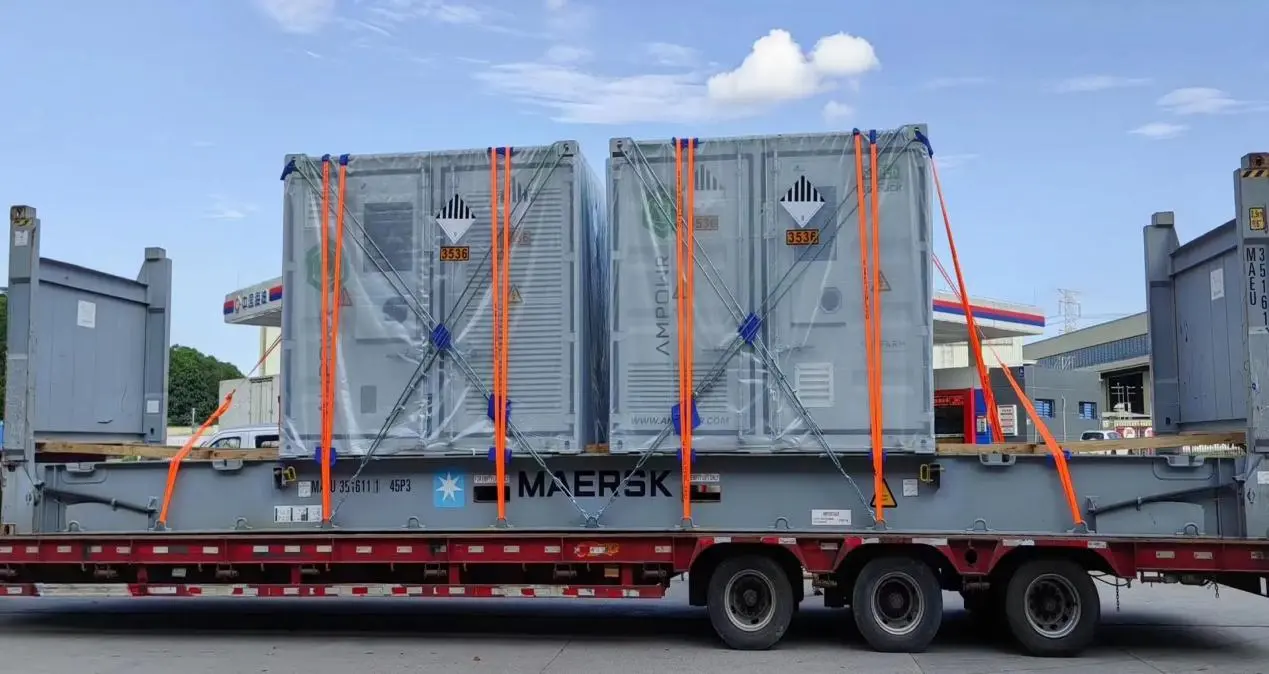
Vehicle Transport and Equipment Hauling

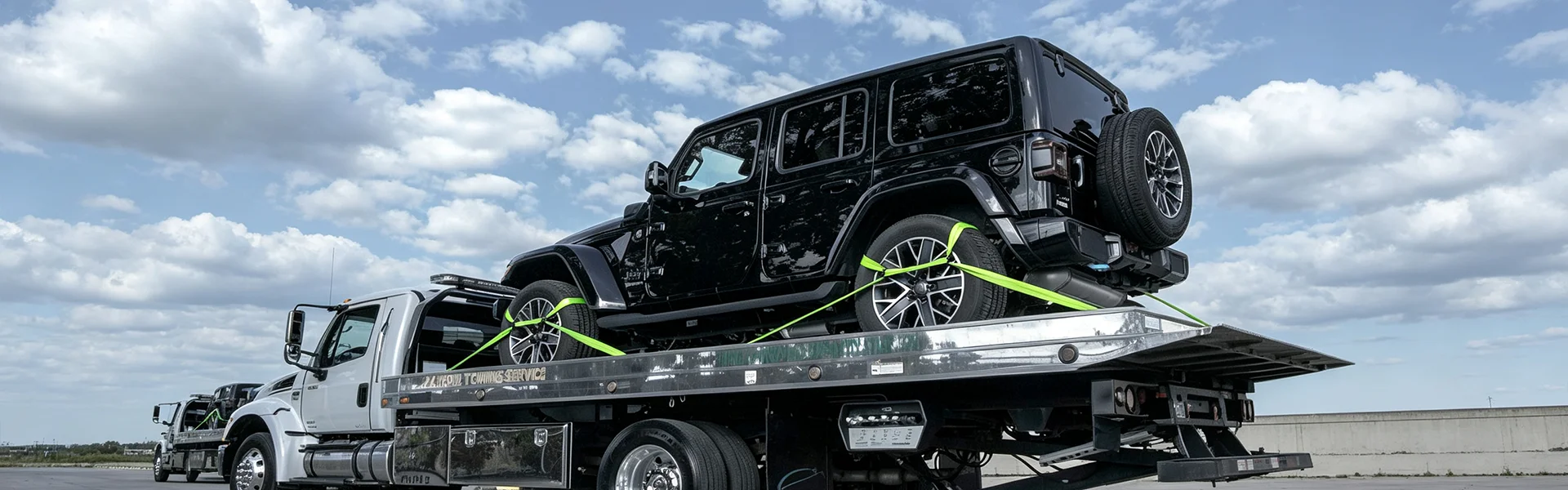
For vehicle carriers and equipment-hauling operations, the choice of tie-down depends on the vehicle design, designated anchor points, and the manufacturer's securement instructions. This product should only be used where the chain hooks and webbing arrangement are appropriate for the intended restraint task. It is not a substitute for a purpose-designed wheel restraint or other vehicle-specific securement system when one is required.

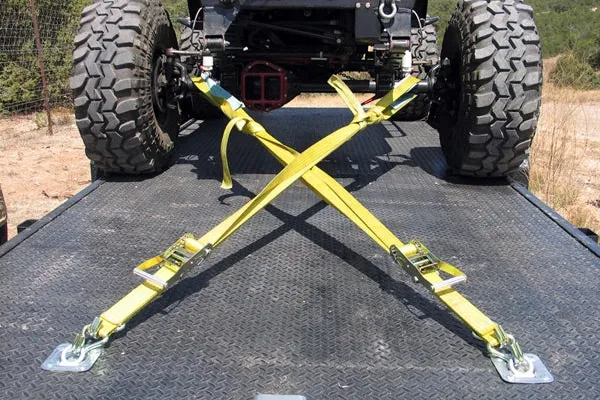
Vehicle hauling application requiring compatible cargo restraint equipment

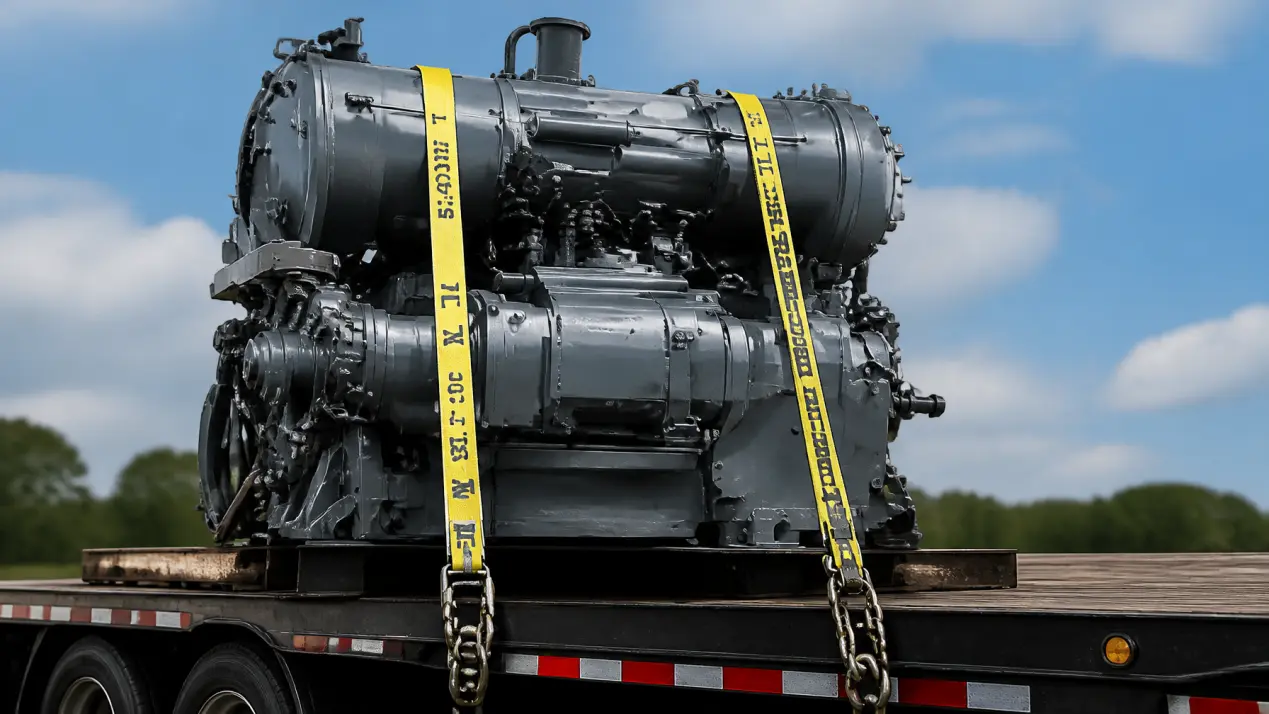
Houston Drilling Valve Transport Case

Challenges with Worn Trailer Anchors

In the supplied project example, a logistics team transporting heavy drilling valves between locations in Texas faced two main concerns. First, the flatbed trailer's stake pockets and D-rings had rough metal surfaces and burrs that could damage webbing through direct contact. Second, road vibration during long-distance transport created a need for a secure connection between the restraint assembly and the trailer.

Using Chain Extensions at the Connection Points

The team selected a 2-inch ratchet strap with chain extensions to connect with compatible trailer anchor points. The metal extensions helped keep the polyester webbing away from the roughest contact areas, reducing direct exposure to abrasive surfaces. The ratchet mechanism allowed the operators to remove slack and adjust tension during cargo securement.

The specified WLL of 3300 lbs was one factor in selecting the restraint equipment. The complete setup also needed to account for cargo weight, load distribution, trailer anchor ratings, the number and arrangement of straps, and applicable transportation requirements.

Lessons for Cargo-Control Buyers

This type of application illustrates why buyers should assess the condition and geometry of anchor points before selecting end fittings. Chain extensions may help address certain metal-contact concerns, but they do not eliminate every risk of damage or guarantee that cargo will remain motionless. Inspection, correct restraint design, and suitable edge protection remain important throughout the transport process.

Chain-extension ratchet strap application for industrial valve transportation

Ordering and Customization

VINEET supports B2B buyers seeking cargo-restraint products for transportation fleets, industrial equipment suppliers, and wholesale distribution. Custom configurations can be discussed according to the intended application and production requirements.

  • Webbing length: Specify the required working length based on the cargo and anchor-point arrangement.
  • Chain extension length: Provide the required chain reach and connection configuration.
  • End fittings: Confirm hook style and compatibility with the intended anchor points.
  • Color and branding: Discuss available webbing colors, printed labels, private-label branding, and packaging.
  • Order requirements: Provide quantity, destination market, intended use, and any documentation requirements for quotation.

Before production, confirm the final assembly specification, including WLL, minimum breaking strength, component ratings, and applicable product markings. Customization should not change the rated capacity unless the modified assembly has been appropriately assessed and verified.

Quality and Standards Documentation

VINEET's broader product portfolio includes references to EN 12195, the EN 1492 series, TÜV certification, and CE documentation where applicable. These references must be distinguished by product type and intended use: EN 12195-2 is relevant to manufactured web lashing assemblies, while the EN 1492 series addresses textile slings for lifting. A cargo tie-down strap should not be represented as a certified lifting sling merely because lifting-related standards are part of the supplier's broader portfolio.

Buyers should request the applicable certificate, test report, declaration, or technical documentation for the exact product configuration. The chain grade, assembly WLL, minimum breaking strength, and any claimed conformity should be verified against the supplied documents before purchase.

Safe Use and Inspection

Before each use, inspect the webbing for cuts, fraying, broken stitching, chemical damage, and excessive wear. Check the chain, hooks, ratchet, and anchor points for cracks, deformation, corrosion, or other damage. Remove damaged components from service.

Confirm that hooks are properly engaged and that the webbing does not contact sharp edges without suitable protection. Do not exceed the rated WLL, knot the webbing, or use the strap for lifting or suspending loads. The WLL of 3300 lbs is a cargo-restraint rating, not a lifting capacity. Follow the manufacturer's instructions and the applicable cargo-securement rules for the load and transport vehicle.

Frequently Asked Questions

What is the difference between WLL and minimum breaking strength?

WLL is the specified working load limit for the intended cargo-restraint application. Minimum breaking strength is a separate strength value determined under defined test conditions. Neither value should be used interchangeably, and buyers should verify the ratings and safety factor applicable to the complete assembly.

Can the chain extension prevent all webbing damage?

No. The chain extension can reduce direct contact between the webbing and certain rough metal anchor points, but the strap may still be damaged by sharp cargo edges, incorrect routing, abrasion, or improper tensioning. Inspect the complete assembly before each use and use suitable edge protection where necessary.

How do I know whether the grab hook fits my trailer?

Check the shape, dimensions, and rated capacity of the trailer's stake pockets, D-rings, or other designated tie-down points. The hook must engage securely without side loading or an unstable connection. Provide photos or dimensions of the anchor points when discussing compatibility with the supplier.

Can the webbing and chain lengths be ordered separately?

VINEET can discuss customized webbing and chain extension lengths according to the required assembly configuration and production feasibility. Confirm the complete strap layout and rated specifications before ordering rather than changing individual components without verifying the finished assembly.

Is this 2 Inch Ratchet Strap with Chain Extension WLL 3300 lbs suitable for securing every type of heavy machinery?

No single tie-down configuration suits every machine. Selection depends on the machine's weight, shape, center of gravity, designated securement points, transport conditions, and applicable regulations. The required restraint capacity and arrangement should be established for the specific load.

What should importers verify before bulk purchasing?

Confirm the WLL, minimum breaking strength, webbing width, chain grade, hook configuration, chain length, labeling, and packaging. Buyers should also review product-specific test documentation and confirm any destination-market requirements before approving samples or placing a production order.

Contact VINEET

Need a chain-extension tie-down for flatbed transport, industrial freight, or equipment hauling? Contact VINEET with your target quantity, required webbing and chain lengths, hook configuration, and destination market. Our team can discuss available specifications, OEM/ODM options, and the documentation applicable to your order.

Send Inquiry
Contact Info

Why Global Buyers Choose Jiangxi Vineet:

√ EN Certified Quality — Lashing straps comply with EN 12195 and lifting slings meet EN 1492 EU safety standards, ensuring smooth global exports.

√ 15 Years of Expertise — From a small workshop to a leading manufacturer, we offer mature, complete standardized production systems.

√ Customization Capability — Support for non-standard specifications, special load capacities, custom colors, and large-scale OEM production.

√ Full-Cycle Support — Professional consultants provide one-on-one docking to avoid procurement risks, with a 24-hour response guarantee.

Ready to secure your cargo safely? Complete the form below and our team will respond within 24 hours with a custom recommendation.

Rating:
5.0
X
We use cookies to offer you a better browsing experience, analyze site traffic and personalize content. By using this site, you agree to our use of cookies. Privacy Policy
RejectAccept