Follow Us:

Products
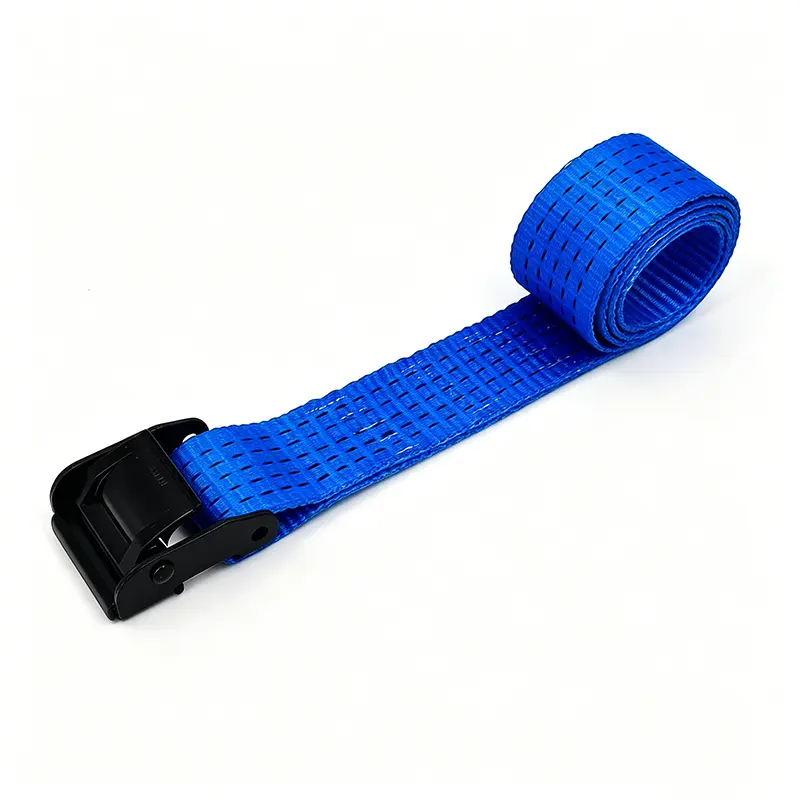
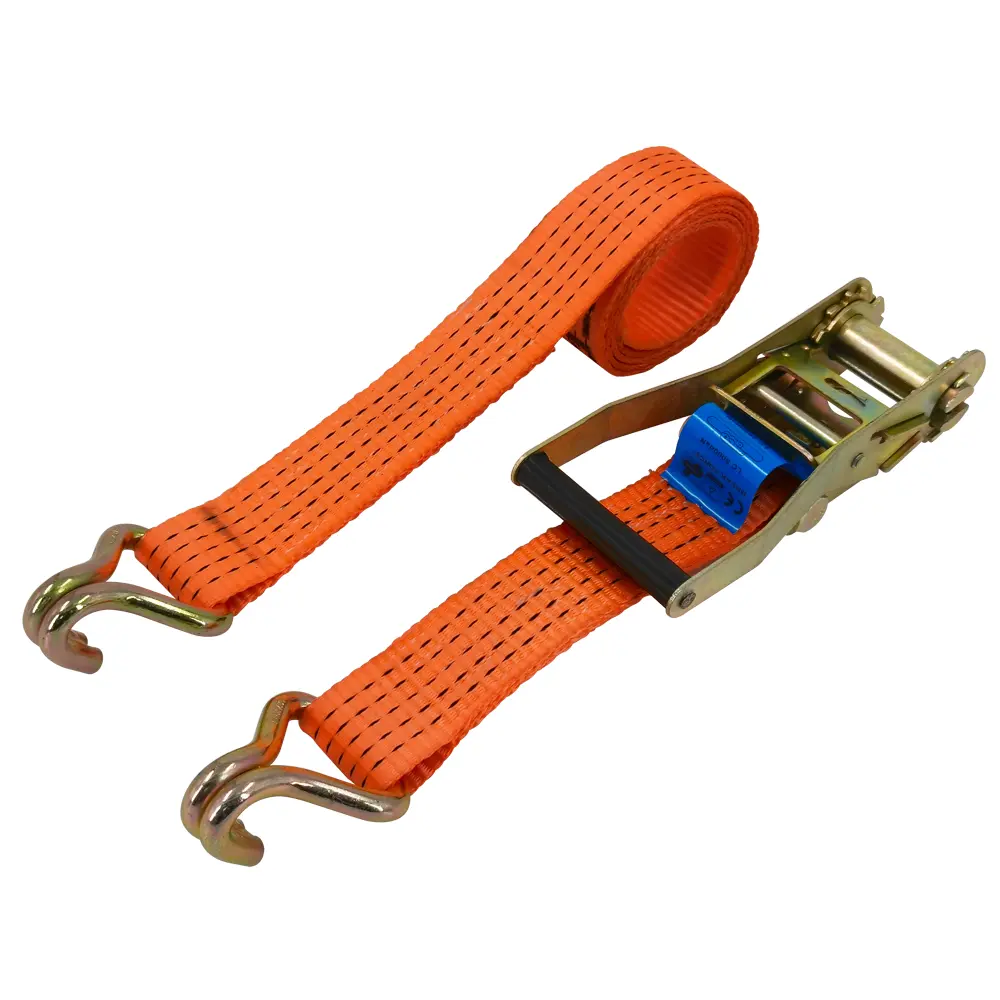
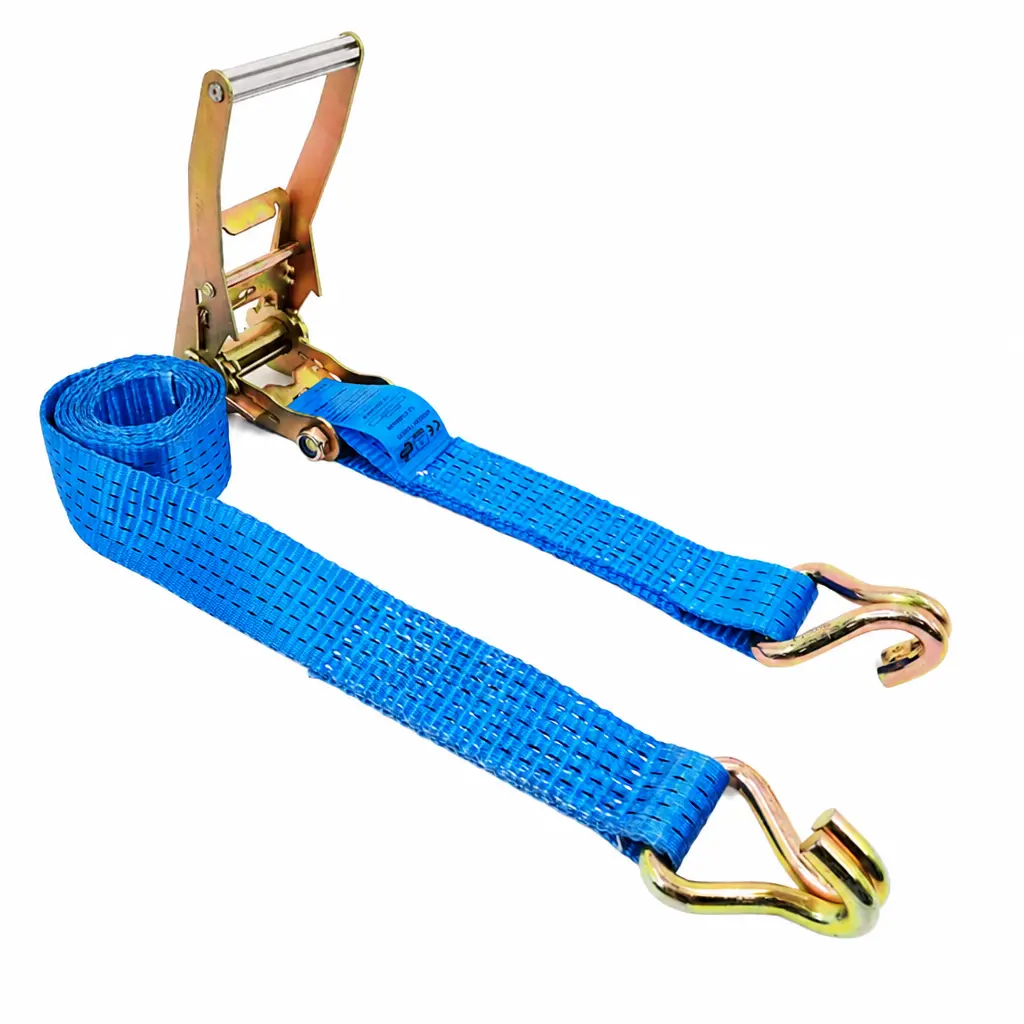
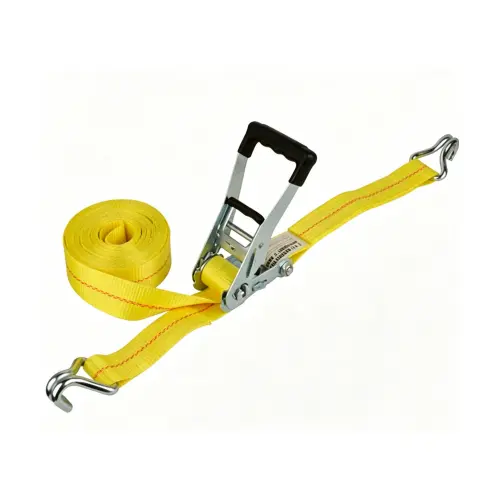
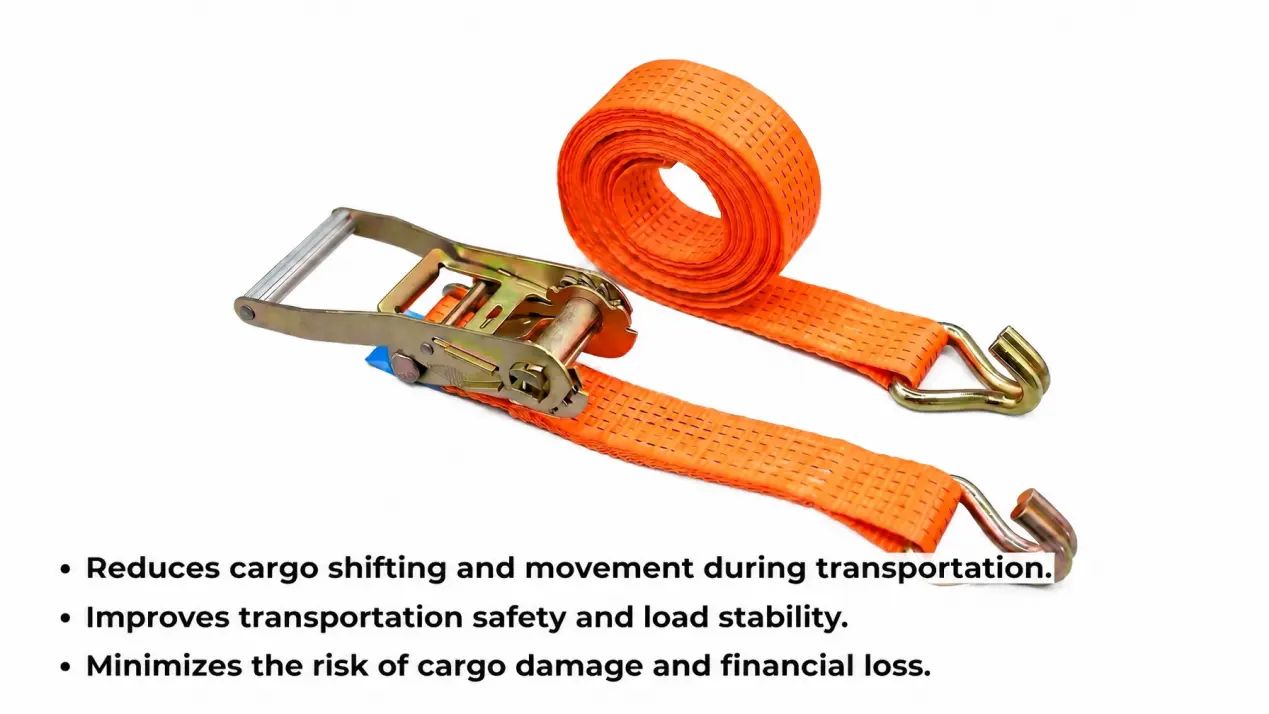
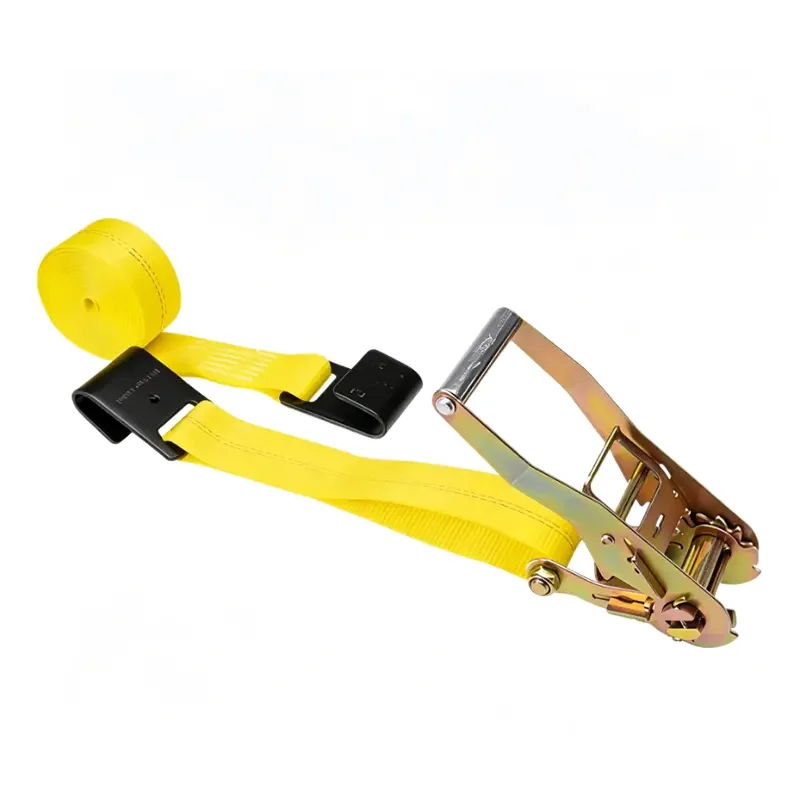
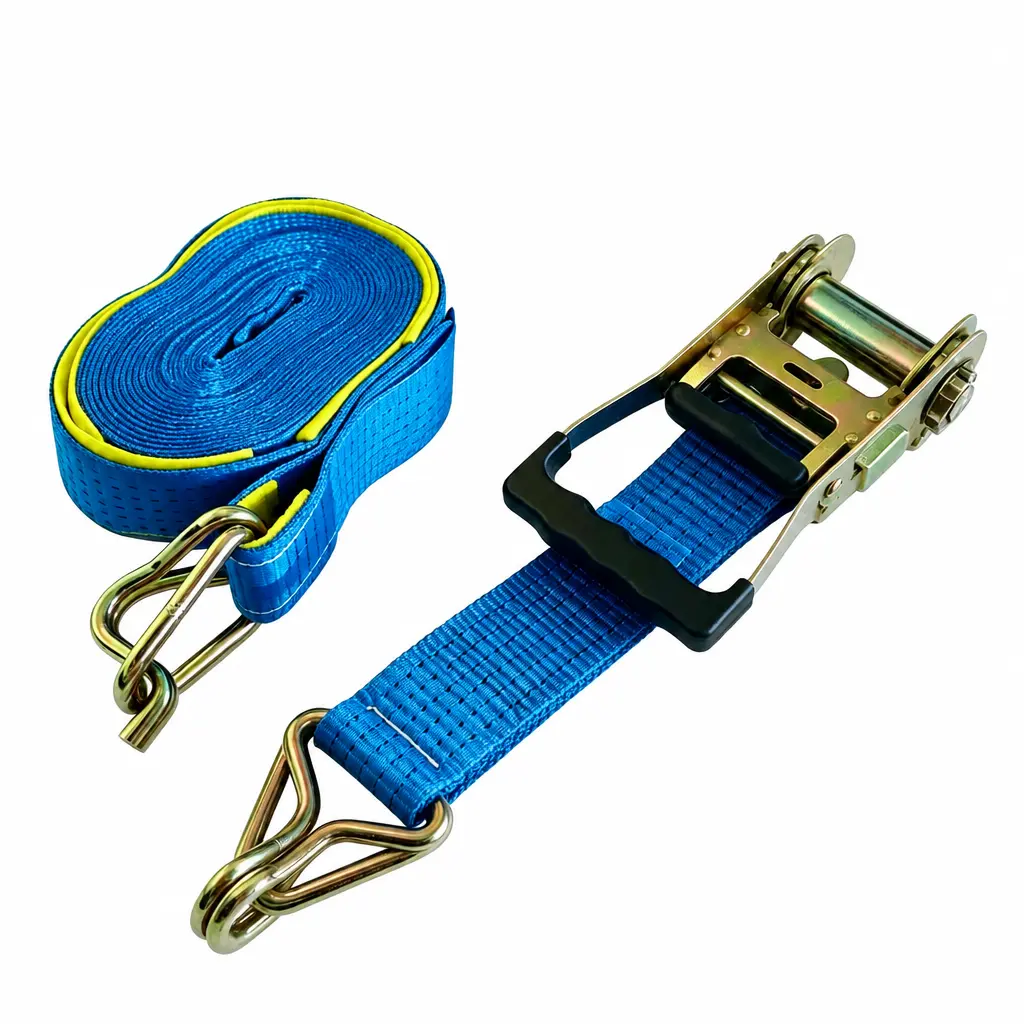
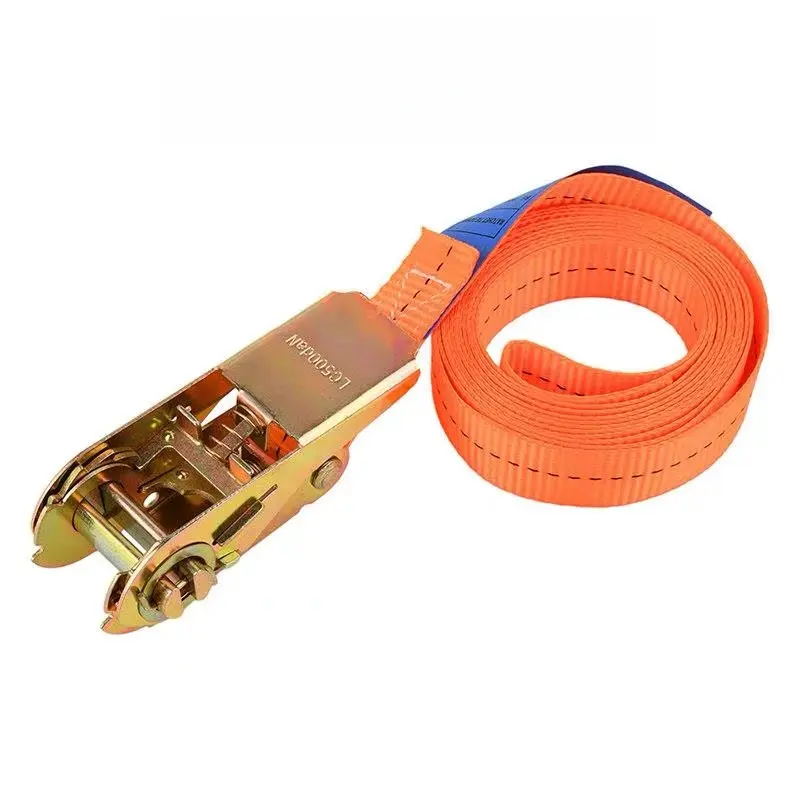
50mm Ratchet Tie Down Strap with J Hooks 5000kg
  • 50mm Ratchet Tie Down Strap with J Hooks 5000kg50mm Ratchet Tie Down Strap with J Hooks 5000kg
  • 50mm Ratchet Tie Down Strap with J Hooks 5000kg50mm Ratchet Tie Down Strap with J Hooks 5000kg
  • 50mm Ratchet Tie Down Strap with J Hooks 5000kg50mm Ratchet Tie Down Strap with J Hooks 5000kg

50mm Ratchet Tie Down Strap with J Hooks 5000kg

Built for demanding cargo-restraint operations, the 50mm Ratchet Tie Down Strap with J Hooks 5000kg combines 50mm polyester webbing with steel fastening hardware to help secure heavy cargo on compatible trucks and trailers. With a specified breaking strength of 5000kg and a working load limit of 2500kg, it gives transport operators and wholesale buyers clear load-rating parameters for product selection.
Rating: 5.0
(Rating Count: 1)

For distributors and transport operators handling steel structures, machinery, and palletized cargo, selecting the correct lashing capacity and hook configuration is essential. The 50mm Ratchet Tie Down Strap with J Hooks 5000kg from VINEET combines 50mm polyester webbing, a steel ratchet mechanism, and J hooks for securing compatible anchor points on trucks and trailers. 

With a specified breaking strength of 5000kg and a working load limit (WLL) of 2500kg, it provides a practical option for heavy-duty cargo restraint when selected and used according to the load requirements. Webbing length, color, packaging, and other order details can be customized for wholesale and OEM/ODM projects.

Technical Specifications

Specification Description
Product Name 50mm Ratchet Tie Down Strap with J Hooks 5000kg
Brand VINEET
Strap Width 50mm
Webbing Material Polyester
Hardware Steel ratchet and J hooks
Breaking Strength 5000kg
Working Load Limit (WLL) 2500kg
Color Customizable
Strap Length Customizable
Application Cargo securing, trucks, trailers, and logistics
Applicable Standard EN 12195-2, subject to the product's conformity documentation
Customization OEM and ODM available
Packaging Carton, pallet, or customized packaging

Choose the Right Hook Connection

The hook connection determines whether a tie-down assembly can attach securely to the available anchor points. Before ordering, buyers should check the anchor shape, opening size, accessible clearance, and direction of loading. A hook that appears to fit may not seat correctly under tension, so compatibility should be confirmed before the strap is put into service.

Check the Anchor Point

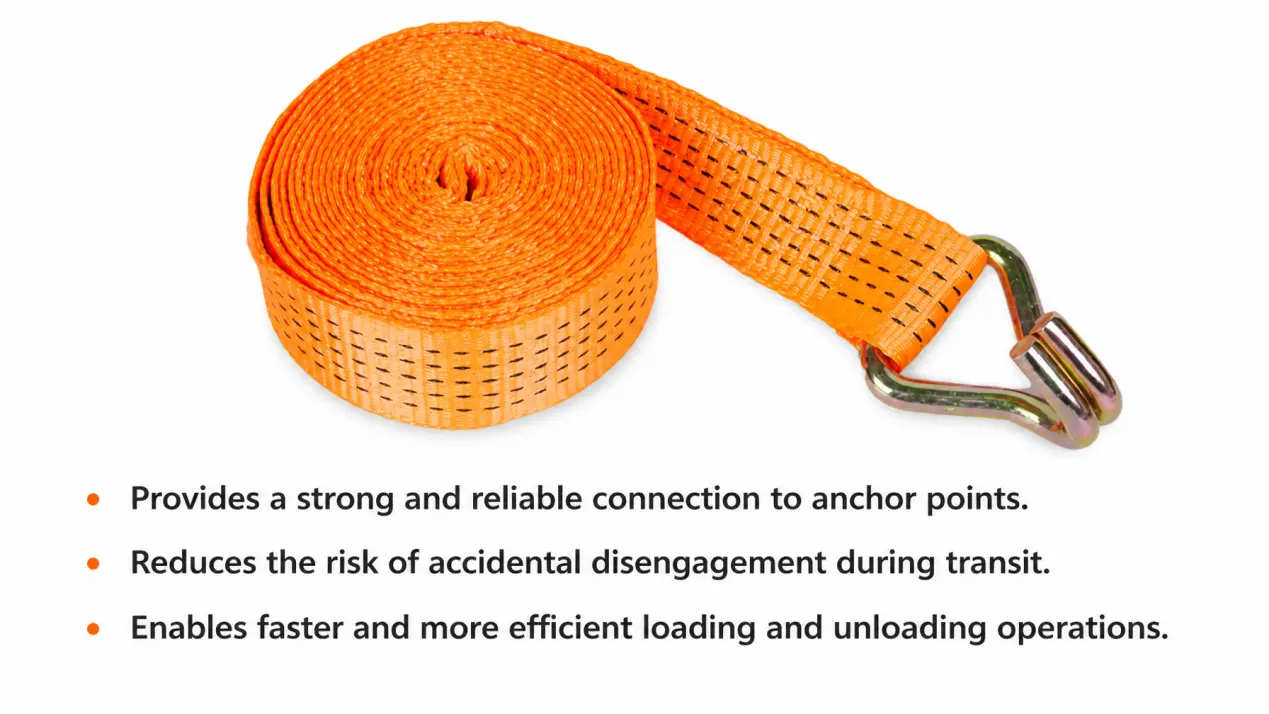
J hooks are intended for compatible attachment points on transport vehicles and cargo platforms. Inspect the anchor for deformation, cracks, sharp edges, or other damage. The hook must sit correctly without being forced into position or loaded against an unsuitable edge.

50mm polyester ratchet tie down strap with steel J hooks

Match the Webbing to the Cargo

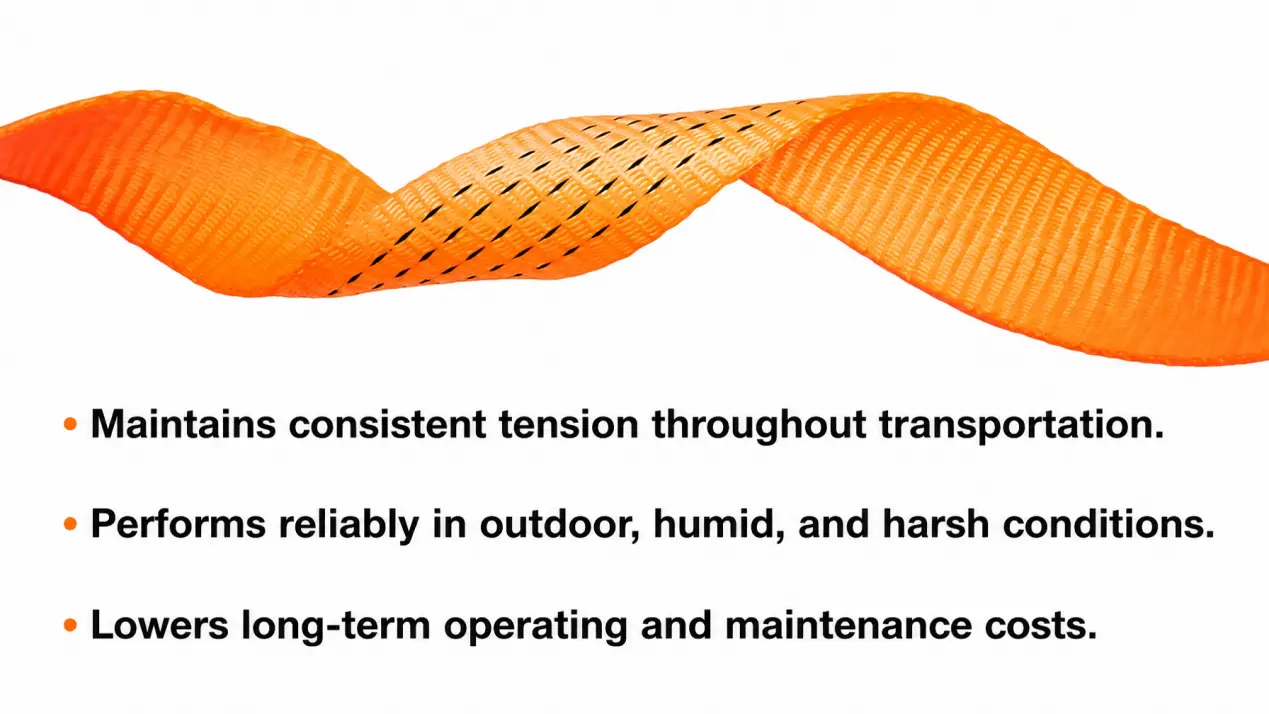
The 50mm polyester webbing provides a broad contact surface for suitable cargo-restraint applications. Its relatively low elongation helps maintain controlled restraint, while the actual performance depends on the complete assembly, including the ratchet, hooks, stitching, anchor points, and loading arrangement.

50mm polyester webbing used in a heavy-duty cargo tie-down strap

Inspect the Ratchet and Hooks

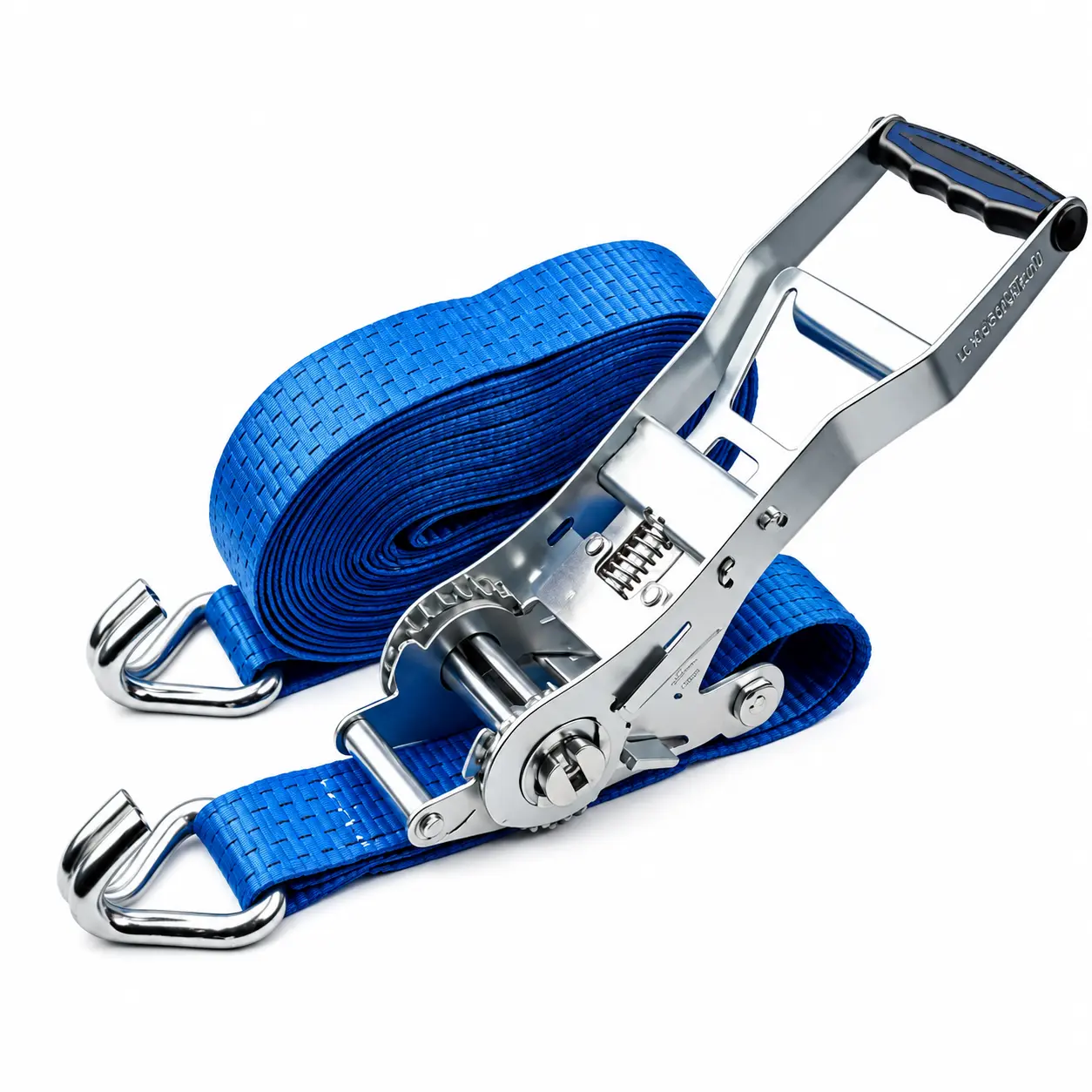
The steel ratchet provides a mechanical way to tighten the strap, while the J hooks connect the assembly to compatible anchor points. Before use, confirm that the ratchet engages and releases properly, the hooks are not bent or cracked, and the stitching is intact.

Steel J hook and ratchet hardware for cargo restraint

Understand the Load Rating

When purchasing cargo-restraint equipment, buyers should distinguish between breaking strength and working load limit. These figures describe different aspects of performance and should not be used interchangeably.

Load Rating Specified Value Meaning
Breaking Strength 5000kg The specified strength at which the assembly may fail under the applicable test conditions.
Working Load Limit 2500kg The stated maximum working load for the assembly under its specified conditions of use.

The WLL is not a guarantee that a cargo load of the same mass can be secured safely by one strap in every situation. The required number of straps and their arrangement depend on cargo weight, dimensions, friction, restraint direction, anchor-point strength, transport conditions, and applicable regulations. Buyers should use the product label and technical documentation as the final reference.

Applications by Transport Task

Different logistics tasks create different restraint requirements. The appropriate strap length, hook arrangement, and number of assemblies should be selected for the cargo and vehicle rather than assuming one configuration suits every shipment.

Steel and Industrial Components

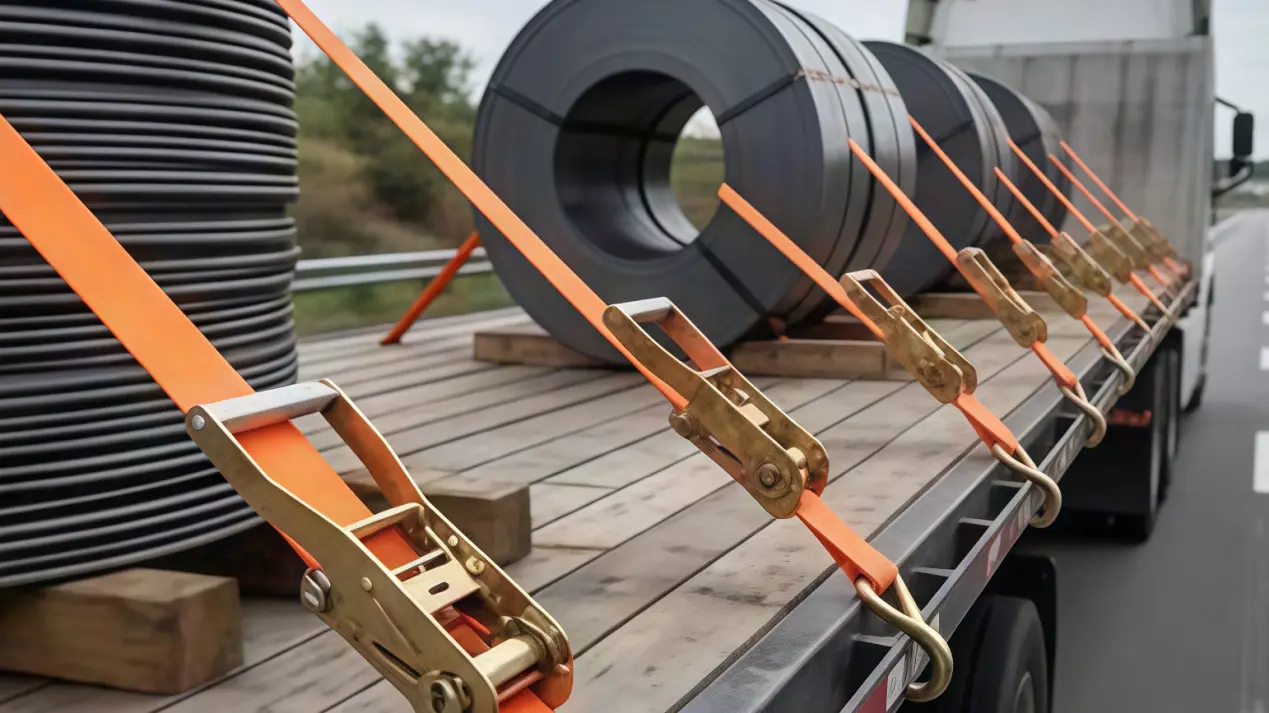
For steel sections and industrial components transported on compatible flatbed trailers, check the location of the anchor points and protect the webbing wherever it could contact sharp edges. Edge protectors and a suitable lashing arrangement can help reduce abrasion and cutting risks.

Cargo restraint strap for industrial goods and warehouse handling

Truck and Trailer Loads

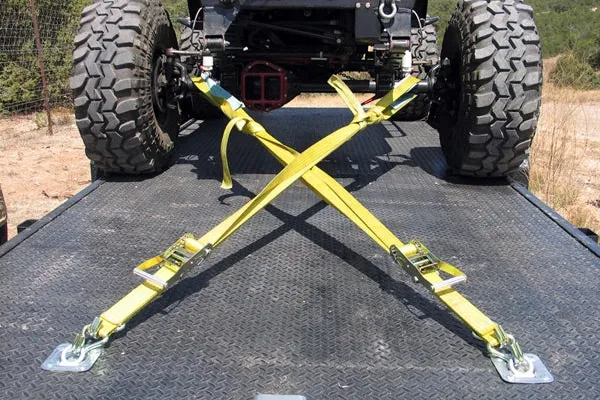
For road transport, the tie-down arrangement should account for braking, cornering, vibration, and other forces that may cause cargo to shift. Ensure that the hooks engage suitable vehicle anchor points and that the complete restraint system meets the requirements for the route and cargo.

Ratchet tie-down strap used for truck and trailer cargo securing

Container and Export Shipments

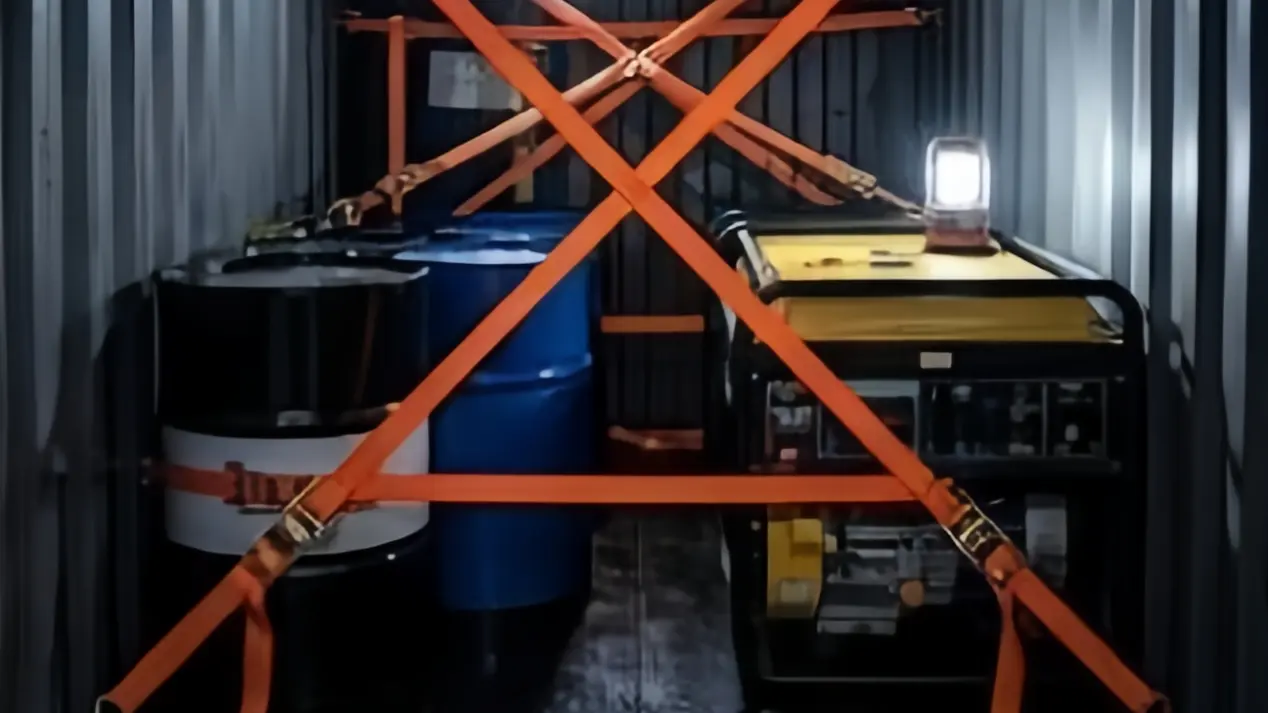
For export logistics, buyers should verify the approved cargo-restraint method for the container or transport unit. A ratchet strap may be suitable for specific restraint tasks, but it should not replace an engineered lashing plan or be attached to container features that are not designed for the applied load.

Cargo lashing equipment for logistics and export transport operations

Distribution and Warehouse Operations

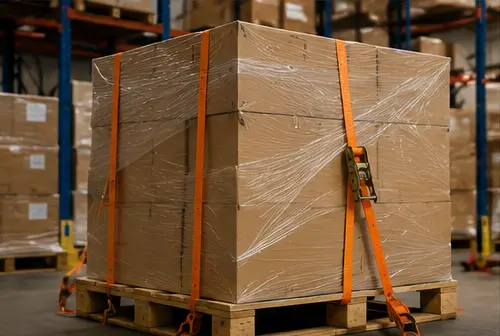
During loading, staging, and distribution, tie-down straps can help restrain compatible cargo when the correct anchor points and restraint method are available. Store straps clean and dry where possible, and keep them away from sharp objects, chemicals, and sources of excessive heat.

Ratchet tie-down equipment for cargo handling and logistics distribution

Case Study: Steel Structure Transport in Australia

Project: Australia Heavy Steel Structure Interstate Logistics Project

Transport Challenges

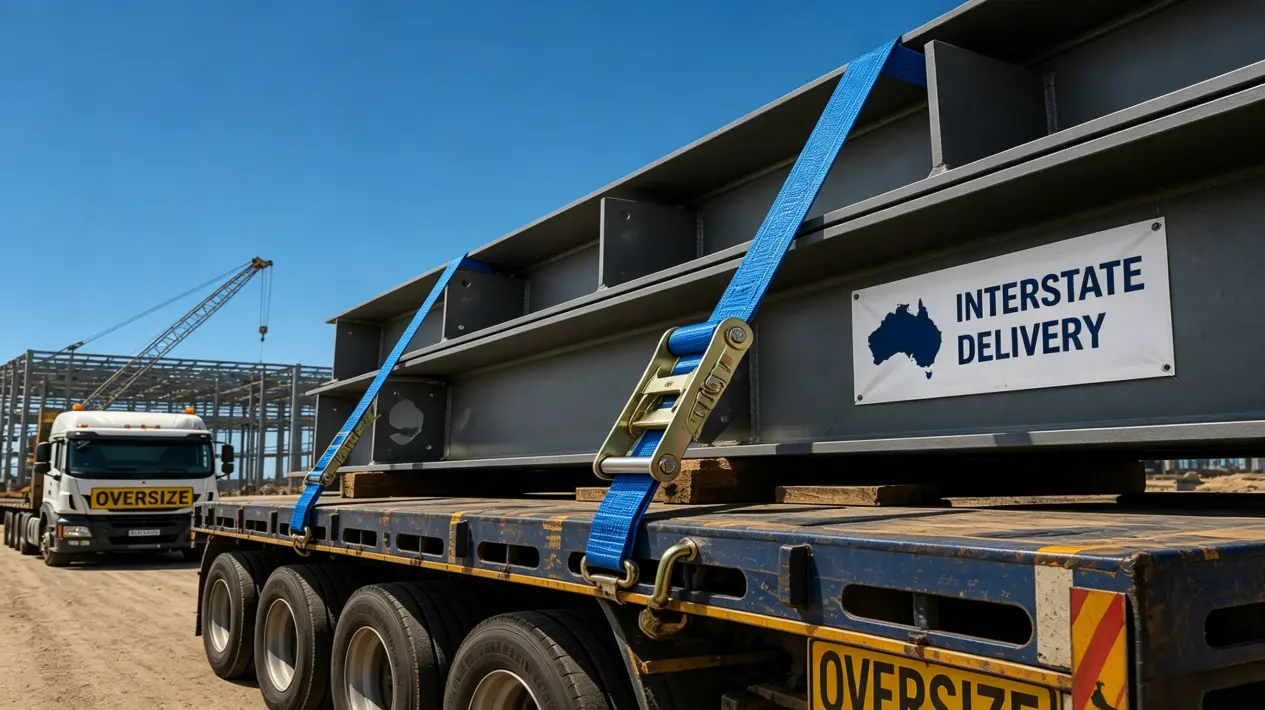
The project involved steel components weighing up to 3.5 tons each. Their mass and inertia created a risk of cargo movement during braking and cornering. In addition, exposed steel edges could damage webbing under tension and road vibration. The transport team also needed to confirm that the selected hooks were compatible with the vehicle's anchor points.

Restraint Approach

The project used the 50mm Ratchet Tie Down Strap with J Hooks 5000kg as part of the cargo-restraint arrangement. The team considered the stated breaking strength, the 2500kg WLL, the connection geometry, and the need to protect webbing at sharp contact points.

Protective edge guards were placed where the webbing could contact sharp corners. The hooks and vehicle anchor points needed to be checked for compatibility, and the restraint arrangement had to be assessed against the cargo mass and transport conditions. Strap capacity alone does not establish that a particular load is adequately secured.

VINEET ratchet tie-down strap used in a steel structure transport application

How to Apply and Release the Strap

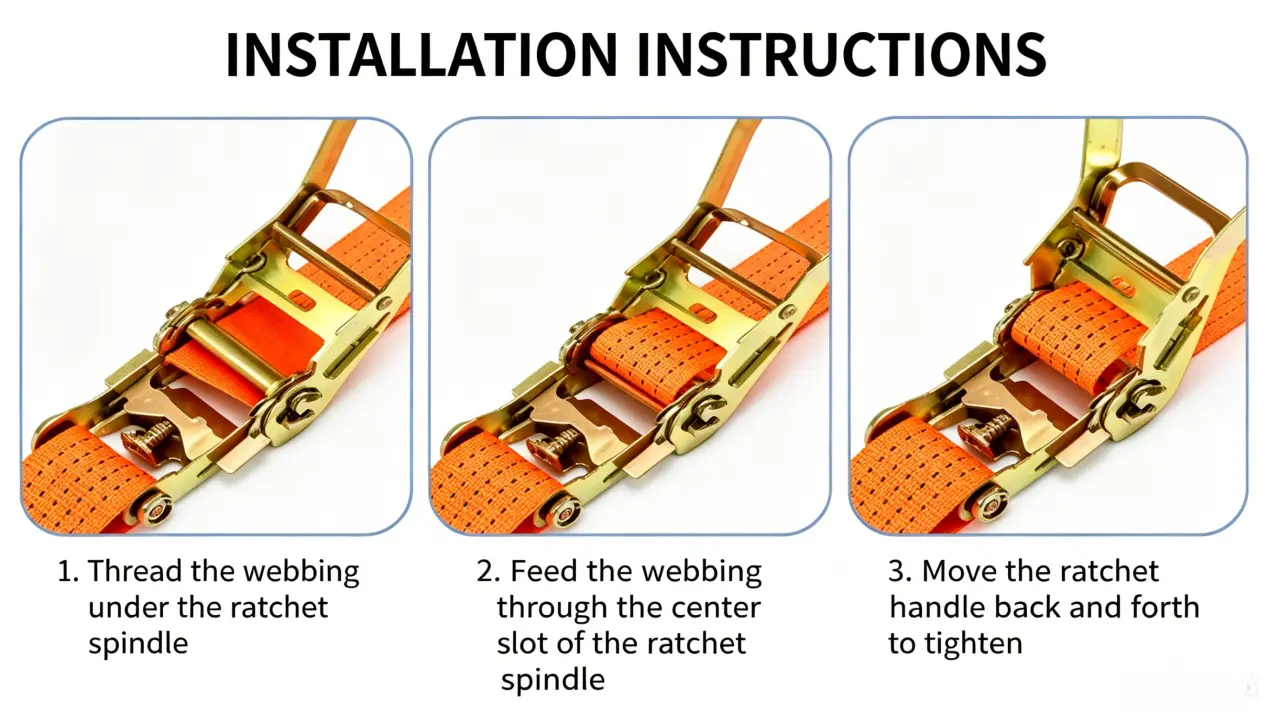
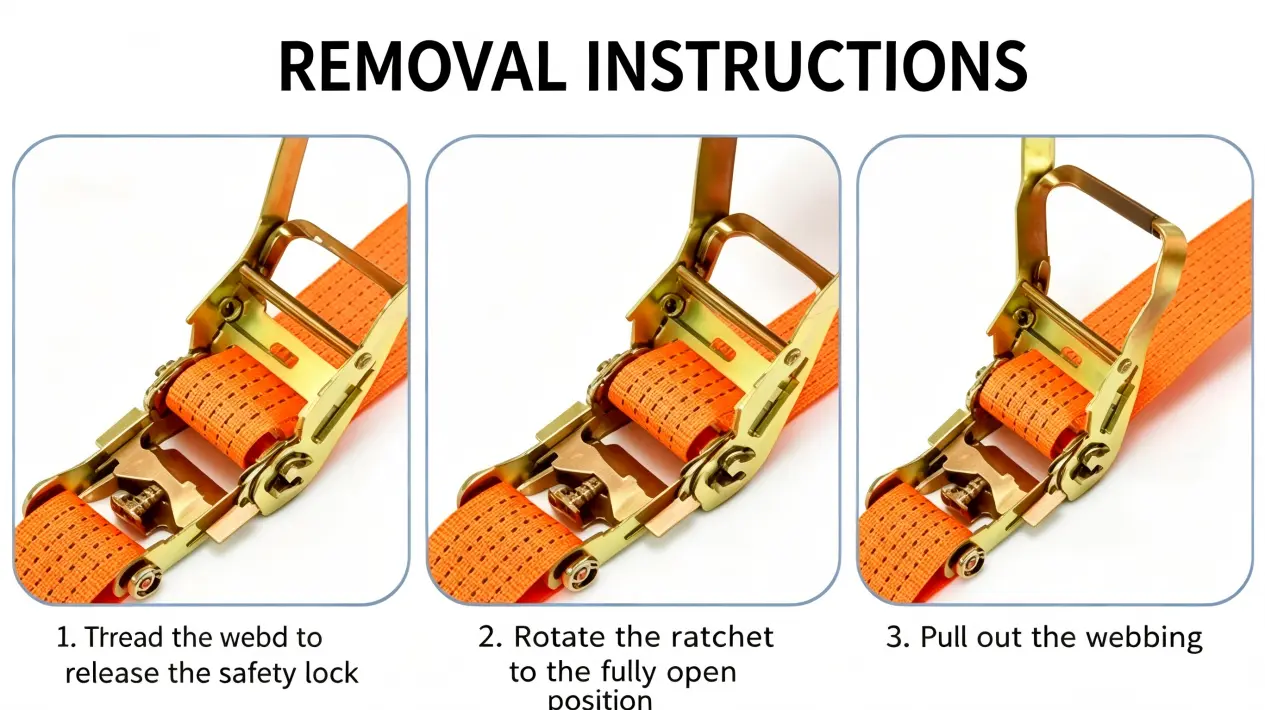
Follow the product instructions and the applicable cargo-securement procedure. The original usage images are retained below for reference.

Ratchet strap application instructions step one Ratchet strap application instructions step two

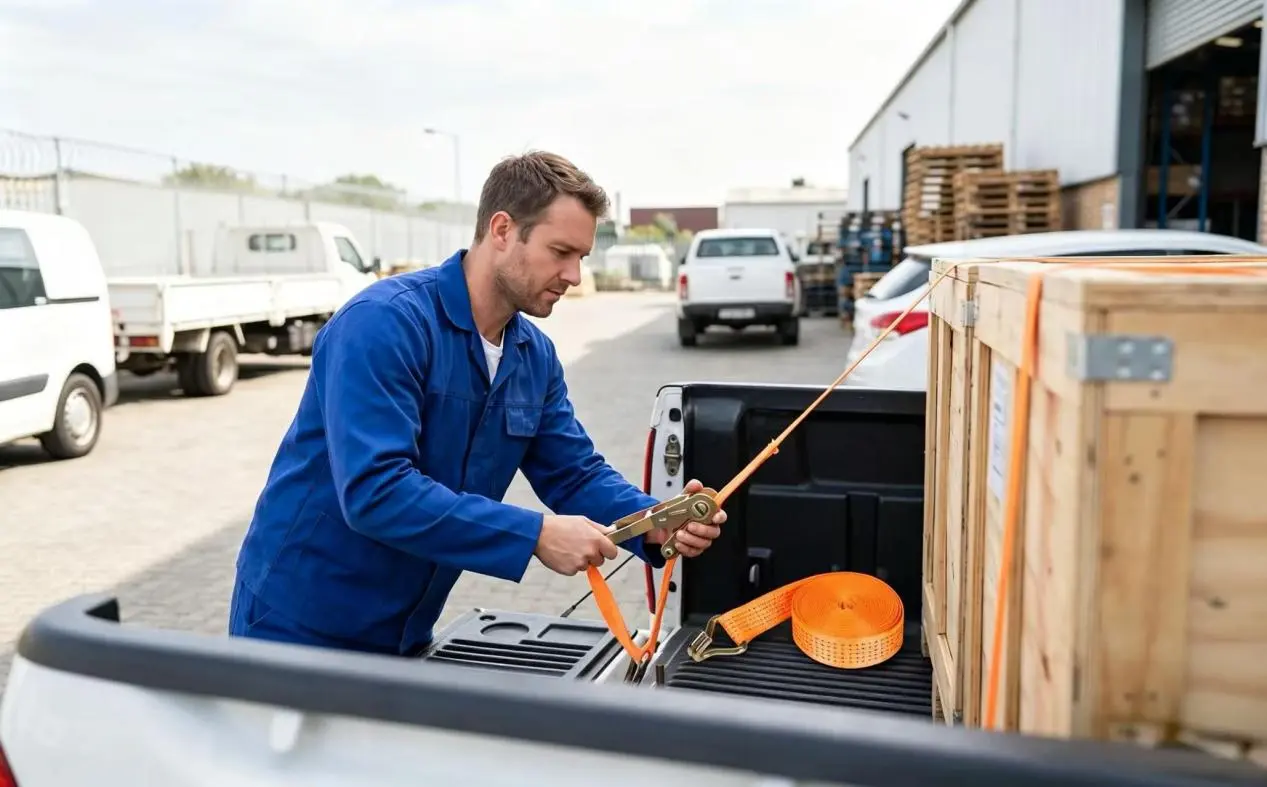
Before tightening, position the strap so it is not twisted and the hooks are fully seated. Tighten with the ratchet according to the product instructions, avoiding excessive tension that could damage the cargo or restraint assembly. After loading, check the strap and cargo arrangement as required during the journey. Release the ratchet carefully only after confirming that stored tension will not cause the handle, strap, or cargo to move unexpectedly.

Pre-Dispatch Inspection

For fleet operators and wholesale buyers, a consistent inspection process helps identify damage before equipment is reused. The following points can be included in a warehouse or vehicle dispatch checklist.

  • Webbing: Look for cuts, fraying, damaged fibers, chemical damage, heat damage, or severe abrasion.
  • Stitching: Check for broken, loose, or damaged stitches around load-bearing joints.
  • Ratchet: Confirm that the handle, locking mechanism, and moving parts operate correctly.
  • J hooks: Check for cracks, bending, deformation, corrosion, and poor engagement with the anchor point.
  • Labels: Ensure the identification and load-rating information is legible and consistent with the product documentation.
  • Edge protection: Use suitable protectors wherever contact with sharp or abrasive surfaces could damage the webbing.

Remove damaged equipment from service and follow the manufacturer's inspection and retirement instructions. Do not repair a load-bearing strap with improvised stitching or hardware.

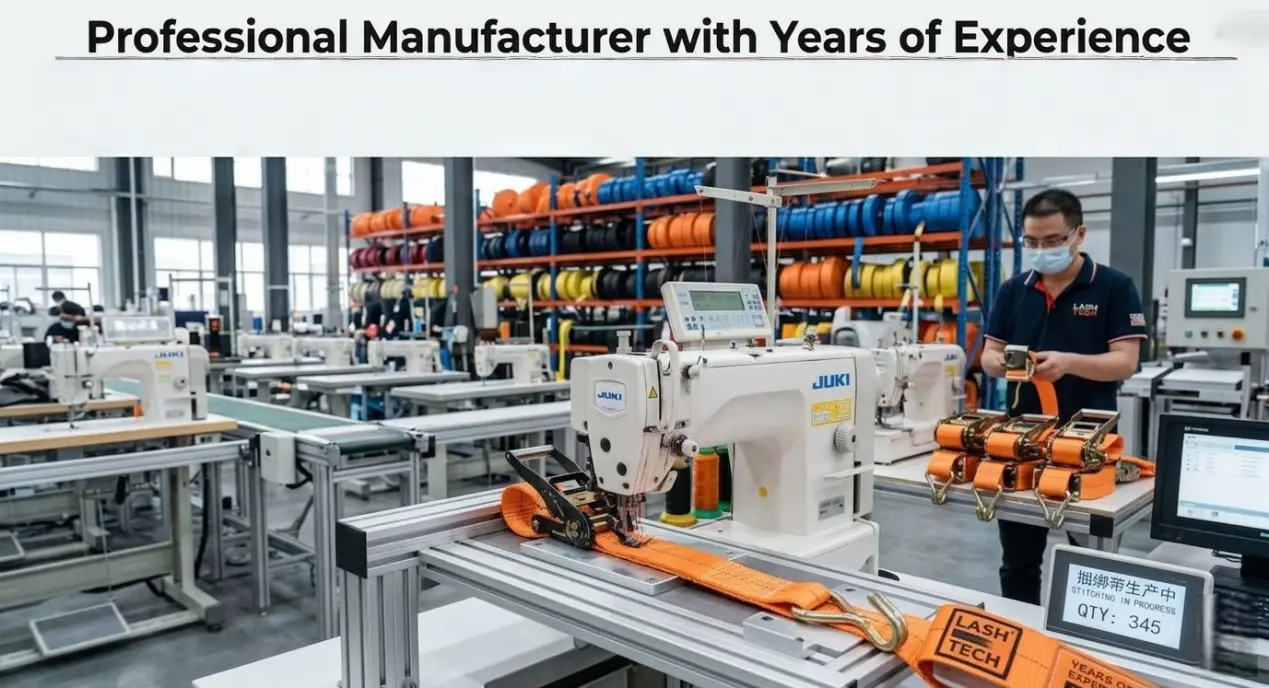
VINEET manufacturing experience and cargo-restraint product support

Manufacturing and Order Options

VINEET supplies cargo-restraint products for international distributors, importers, and business customers. For repeat orders, confirming the assembly configuration and product identification in advance helps buyers maintain consistency across shipments.

Webbing and Hardware Selection

Depending on the order requirements, buyers can discuss strap length, webbing color, logo printing, hook configuration, and packaging. Any requested changes to hardware or assembly design should be reviewed against the required load rating and intended application before production.

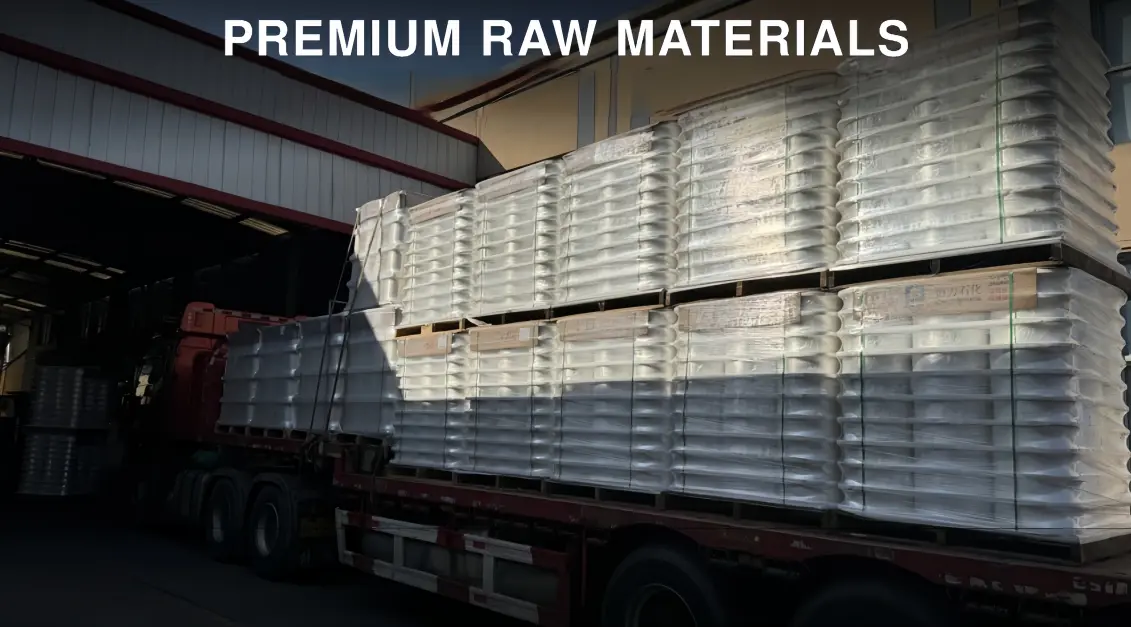
Polyester webbing materials for customized cargo-restraint products

Quality Checks and Documentation

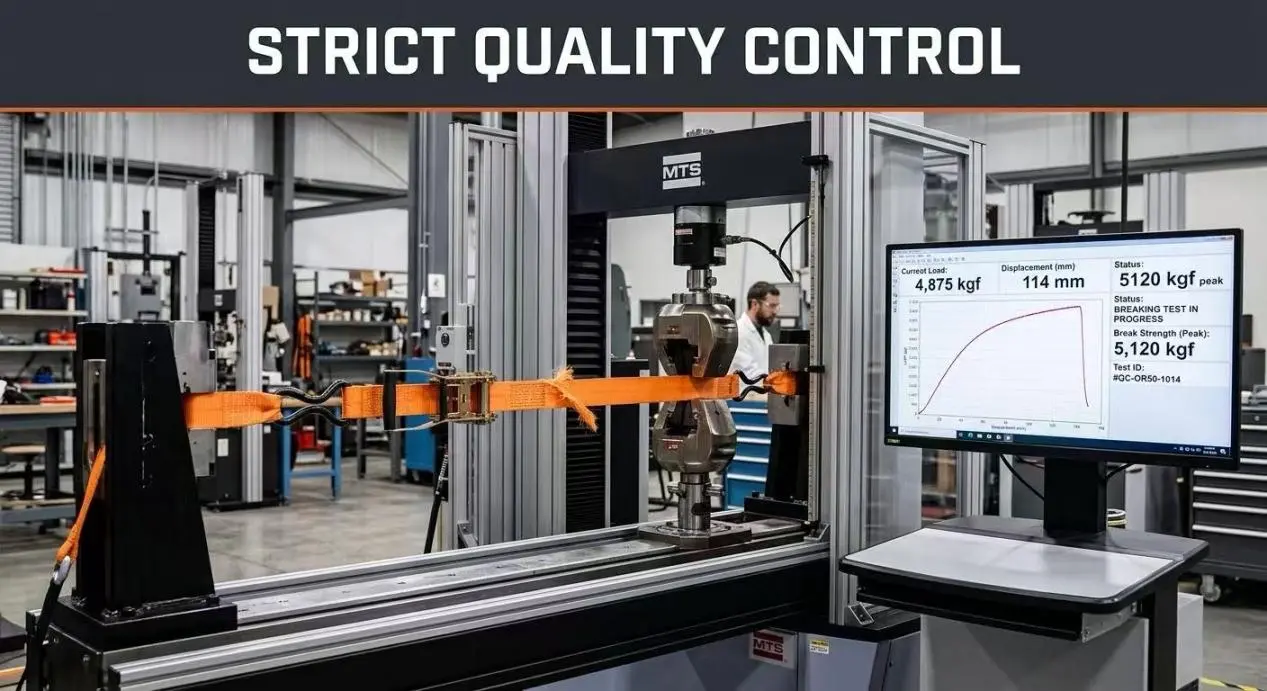
Quality-control checks may include webbing tensile testing, ratchet operation checks, hook inspection, stitching inspection, and final product inspection. Buyers can request available test reports, product labels, and conformity documents relevant to the selected assembly.

VINEET works with products associated with EN 12195 and the EN 1492 series, as well as TÜV and CE-related documentation where applicable. EN 12195-2 is relevant to lashing assemblies, while EN 1492 primarily covers textile slings used for lifting. These standards are not interchangeable, and their mention does not mean that every tie-down strap is certified under both. Please confirm the exact product scope and supporting documents with VINEET before placing an order.

Quality inspection of ratchet straps, webbing, and fastening components

Packaging and Export Support

Carton, pallet, and customized packaging options are available for discussion. To support quotation and production planning, buyers should provide the target quantity, required strap length, color, hook requirements, logo or labeling needs, destination market, and any documentation requirements.

VINEET export service and customized cargo-restraint order support

Frequently Asked Questions

Can a 5000kg breaking strength be treated as a 5000kg working load?

No. The specified breaking strength is 5000kg, while the working load limit is 2500kg. Always follow the WLL shown on the product label and documentation, and assess the complete cargo-restraint arrangement before use.

How do I know whether the J hooks will fit my trailer?

Check the anchor-point shape, opening dimensions, clearance, and loading direction. Share photos or drawings of the intended attachment point with the supplier if compatibility is uncertain. Do not force a hook onto an unsuitable anchor.

What should I do if the strap will pass over a sharp steel edge?

Use a suitable edge protector and reposition the restraint where possible. Inspect the webbing before and after use. A high breaking-strength rating does not make polyester webbing resistant to cutting by sharp edges.

Can I order a different strap length or color?

Yes. VINEET lists length and color as customizable options. Confirm the required dimensions, hardware, labels, and packaging with the sales team so the final specification matches your intended application.

Which documents should I request for a bulk order?

Ask for the product specification, load-rating label details, relevant test reports, and conformity documentation for the exact assembly. If your market requires a particular standard or certification, confirm its scope and validity before approving the order.

Request a VINEET Quotation

For pricing and technical confirmation, contact VINEET with your target quantity, strap length, preferred color, J hook requirements, destination market, and packaging details. If the strap will be used for steel structures or other heavy cargo, also provide the cargo weight, dimensions, anchor-point information, and restraint requirements so the proposed configuration can be reviewed appropriately.

VINEET can discuss OEM/ODM options and available documentation to help importers, distributors, and transport-equipment suppliers prepare their orders.

Send Inquiry
Contact Info

Why Global Buyers Choose Jiangxi Vineet:

√ EN Certified Quality — Lashing straps comply with EN 12195 and lifting slings meet EN 1492 EU safety standards, ensuring smooth global exports.

√ 15 Years of Expertise — From a small workshop to a leading manufacturer, we offer mature, complete standardized production systems.

√ Customization Capability — Support for non-standard specifications, special load capacities, custom colors, and large-scale OEM production.

√ Full-Cycle Support — Professional consultants provide one-on-one docking to avoid procurement risks, with a 24-hour response guarantee.

Ready to secure your cargo safely? Complete the form below and our team will respond within 24 hours with a custom recommendation.

Rating:
5.0
X
We use cookies to offer you a better browsing experience, analyze site traffic and personalize content. By using this site, you agree to our use of cookies. Privacy Policy
RejectAccept